
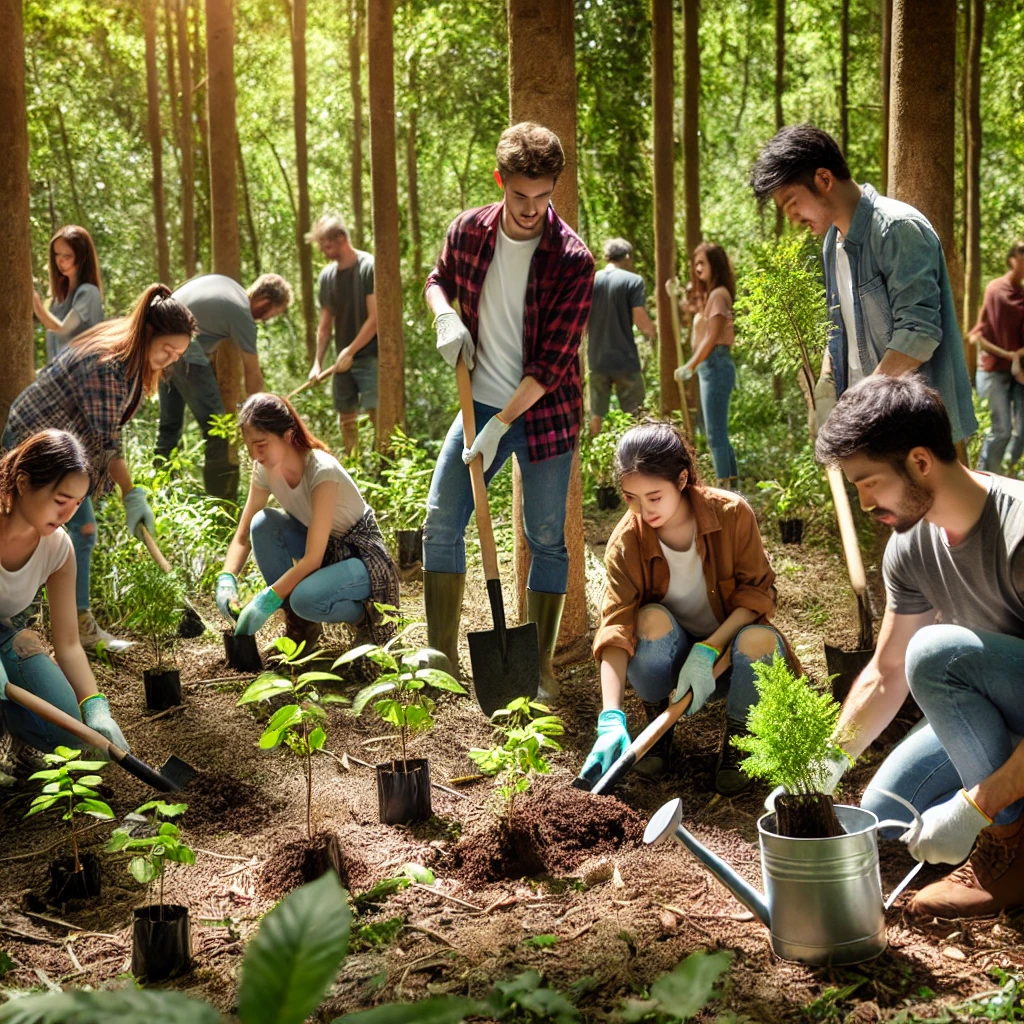
Collaboration is the cornerstone of impactful conservation. By partnering with conservation organizations, wildlife agencies, and environmental groups, individuals and businesses can amplify their efforts to protect natural resources and wildlife habitats. These partnerships not only enhance conservation projects but also showcase shared goals, fostering trust and credibility among stakeholders.
This article explores the benefits of collaborating with conservation groups, practical strategies for building effective partnerships, and examples of successful collaborations that have made a difference.
Why Collaborate with Conservation Groups?
1. Amplify Impact
Working with established conservation organizations allows you to leverage their expertise, resources, and networks, making your efforts more effective and far-reaching.
2. Build Credibility
Partnerships with respected conservation groups enhance your reputation as a responsible steward of the environment. This can foster goodwill among customers, tenants, or the community.
3. Access Funding and Resources
Many conservation groups offer grants, tools, or volunteers to support collaborative projects, reducing the financial burden on your organization.
4. Promote Shared Stewardship
Collaboration fosters a sense of collective responsibility, engaging multiple stakeholders in achieving common conservation goals.
Key Areas for Collaboration
1. Habitat Restoration Projects
Partnering with conservation groups to restore degraded ecosystems can revitalize biodiversity and improve the health of natural habitats.
Examples:
- Planting native vegetation in deforested areas.
- Restoring wetlands to support waterfowl and aquatic species.
- Removing invasive species to promote the growth of native flora and fauna.
2. Wildlife Conservation Initiatives
Collaborating with wildlife agencies can help protect endangered species, monitor populations, and mitigate human-wildlife conflict.
Examples:
- Installing wildlife corridors to ensure safe migration routes.
- Participating in breeding programs for threatened species.
- Supporting anti-poaching initiatives through funding or advocacy.
3. Education and Outreach Programs
Conservation groups often focus on raising awareness and educating the public about environmental stewardship. Partnering with them allows you to reach wider audiences and inspire action.
Examples:
- Hosting workshops on sustainable practices.
- Organizing community events like clean-ups or conservation-themed festivals.
- Distributing educational materials through joint campaigns.
4. Research and Monitoring Efforts
Collaboration in research provides valuable data to inform conservation strategies and measure progress.
Examples:
- Conducting wildlife surveys and population studies.
- Monitoring water quality in rivers and wetlands.
- Using technology such as drones or GPS tracking to study animal behavior.
How to Build Effective Conservation Partnerships
1. Identify Mutual Goals
Begin by aligning your objectives with the mission of potential conservation partners. Clear, shared goals are the foundation of any successful collaboration.
Questions to Ask:
- What are the primary conservation issues we want to address?
- How do our values and vision align?
- What measurable outcomes can we aim for together?
2. Research Potential Partners
Look for organizations with a proven track record in conservation efforts that align with your focus. Consider their expertise, geographic reach, and existing projects.
Ways to Find Partners:
- Attend environmental conferences or events.
- Explore online directories of conservation groups.
- Connect through professional networks or social media.
3. Establish Roles and Responsibilities
Clearly define each partner’s contributions to ensure accountability and smooth collaboration.
Key Considerations:
- Who will provide funding, tools, or labor?
- How will progress be monitored and reported?
- What are the timelines and milestones for the project?
4. Leverage Communication and Storytelling
Sharing the story of your partnership with the public can inspire others and amplify the impact of your collaboration.
Strategies:
- Create joint press releases to announce the partnership.
- Share updates, photos, and success stories on social media.
- Host events or webinars to showcase project outcomes.
Examples of Successful Collaborations
1. Coral Reef Restoration with The Nature Conservancy
The Nature Conservancy collaborates with local businesses and dive shops in coastal communities to restore coral reefs. These partnerships provide funding and volunteer divers who assist in planting coral fragments, ensuring the survival of vital marine ecosystems.
2. Wildlife Corridors with World Wildlife Fund (WWF)
WWF partners with government agencies and landowners to establish wildlife corridors in regions with significant human-wildlife interaction. These corridors help species like elephants and tigers safely traverse fragmented habitats.
3. Urban Green Spaces with Local Conservation Groups
Cities across the globe are partnering with conservation groups to create urban green spaces, enhancing biodiversity while providing recreational areas for residents. For example, community groups in New York City collaborated to restore native plant species in Central Park, supporting local wildlife and improving air quality.
Benefits of Highlighting Conservation Partnerships
- Increased Visibility: Showcasing partnerships demonstrates your commitment to environmental sustainability, attracting eco-conscious clients or tenants.
- Community Engagement: Collaborative projects can inspire community members to participate in conservation efforts.
- Long-Term Impact: Partnerships often result in more sustainable outcomes than solo efforts, as they pool expertise and resources.
Tips for Sustaining Long-Term Partnerships
- Evaluate Progress: Regularly review the partnership’s success and adjust strategies as needed.
- Celebrate Achievements: Acknowledge milestones with events or recognition to keep partners motivated.
- Foster Open Communication: Maintain regular dialogue to address challenges and explore new opportunities.
Conclusion
Collaborating with conservation groups, wildlife agencies, and environmental organizations is a powerful way to protect natural resources and wildlife habitats. These partnerships amplify your impact, build credibility, and foster shared stewardship values.
By participating in habitat restoration, wildlife conservation, education initiatives, and research efforts, you can contribute to meaningful change and showcase your commitment to environmental sustainability. Start by identifying potential partners, aligning your goals, and taking the first step toward a collaborative future. Together, we can create a thriving planet for generations to come.