
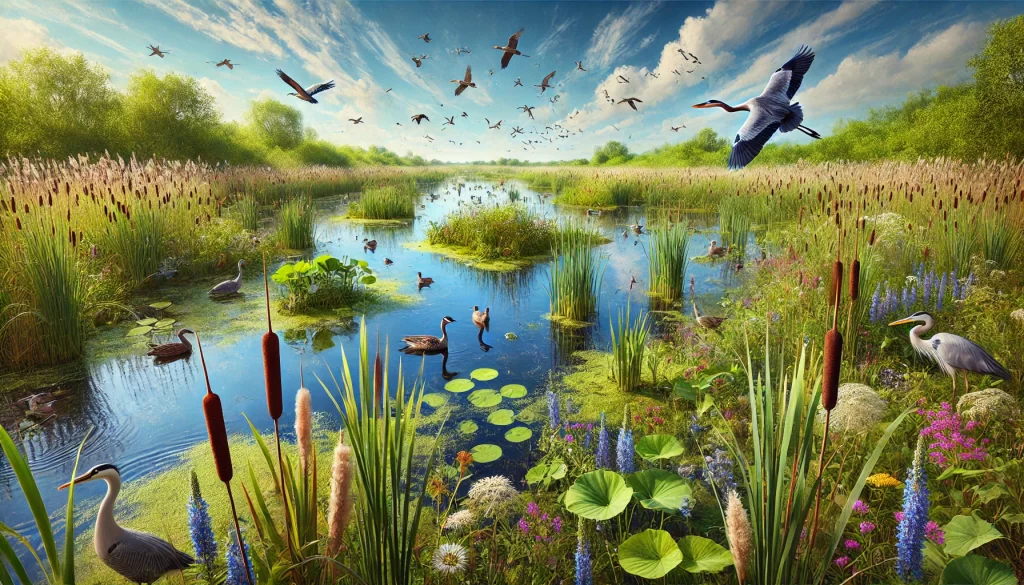
Documenting conservation success is a vital part of sustainable land management. Not only does it provide proof of your efforts, but it also inspires others, attracts funding opportunities, and strengthens your credibility as a conservation-minded landowner. By recording achievements and their positive impacts on biodiversity, habitat quality, and wildlife populations, you can celebrate progress and pave the way for future initiatives.
This guide will show you how to effectively document conservation successes using reports, case studies, and success stories that showcase your impact.
Why Document Conservation Success?
1. Measure Progress
Tracking and documenting achievements enables you to evaluate the effectiveness of conservation strategies and identify areas for improvement.
2. Attract Support
Detailed reports and case studies demonstrate credibility, which can help secure funding, grants, or partnerships with conservation organizations.
3. Inspire Others
Sharing your success stories can motivate other landowners and communities to adopt sustainable practices and contribute to biodiversity conservation.
4. Build Your Reputation
As a landowner, showcasing your conservation accomplishments enhances your reputation as a responsible steward of the environment.
Key Elements to Document
1. Biodiversity Improvements
Highlight changes in the diversity and abundance of plant and animal species on your property.
- Track increases in native species populations.
- Identify new species observed after habitat restoration efforts.
- Document the removal or control of invasive species.
2. Habitat Quality Enhancements
Show how your conservation efforts have improved the health and resilience of ecosystems.
- Measure vegetation regrowth or restoration of degraded areas.
- Report improvements in soil and water quality.
- Highlight the creation of wildlife corridors or wetland restoration projects.
3. Wildlife Population Growth
Provide data on target species or populations impacted by your efforts.
- Monitor population trends using surveys, camera traps, or tagging studies.
- Document successful breeding seasons or migration patterns.
- Highlight increases in populations of endangered or at-risk species.
4. Community and Ecosystem Benefits
Include the broader impact of your conservation work.
- Demonstrate how improved habitats contribute to ecosystem services like pollination or carbon storage.
- Highlight community engagement, such as volunteer programs or educational workshops.
How to Document Conservation Success
1. Develop a Clear Monitoring Plan
Before starting any conservation project, establish a system to track progress and measure outcomes.
- Set Goals: Define specific, measurable objectives for your efforts (e.g., increase deer populations by 20% or restore 50 acres of native grasslands).
- Choose Indicators: Identify key metrics to track success, such as species counts, water quality tests, or vegetation health scores.
- Use Technology: Employ tools like drones, GPS mapping, or apps like iNaturalist to collect accurate and consistent data.
2. Create Reports
Regular reports provide a detailed overview of your progress and achievements. Key components include:
- Introduction: Explain the purpose and scope of your conservation project.
- Methods: Describe the actions taken, such as habitat restoration or species monitoring techniques.
- Results: Share data, graphs, and photos showing the outcomes.
- Discussion: Reflect on challenges, lessons learned, and next steps.
Example Report Title:
“Restoring Prairie Ecosystems: A Three-Year Progress Report on Grassland Biodiversity Recovery”
3. Write Case Studies
Case studies offer in-depth looks at specific projects or milestones. They are excellent tools for sharing best practices and engaging stakeholders.
Structure of a Case Study
- Background: Provide context about your property, goals, and initial conditions.
- Action Plan: Describe the strategies implemented and why they were chosen.
- Achievements: Highlight measurable successes, supported by before-and-after photos or data.
- Conclusion: Share insights and recommendations for similar projects.
4. Craft Success Stories
Success stories are more personal and engaging, focusing on narratives that resonate with a broad audience.
- Use storytelling techniques to emphasize challenges and triumphs.
- Include quotes from stakeholders, such as conservationists, volunteers, or community members.
- Highlight human and ecological benefits, such as creating safer habitats for wildlife or fostering eco-tourism.
Example Success Story Title:
“How One Landowner Saved a Wetland and Brought Back Native Waterfowl”
5. Use Visuals
Images and videos enhance your documentation and make it more compelling.
- Include before-and-after photos of restored habitats.
- Share images of thriving wildlife populations or community involvement.
- Create infographics to visualize data trends, such as population growth or biodiversity increases.
Sharing Your Success
1. Publish Online
Use your website or blog to showcase reports, case studies, and success stories. Optimize content for SEO by including keywords related to conservation and land management.
2. Engage with Media
Submit your stories to local newspapers, magazines, or conservation websites to reach a wider audience.
3. Collaborate with Organizations
Partner with conservation groups or universities to co-publish findings, increasing credibility and visibility.
4. Leverage Social Media
Share updates and milestones on platforms like Facebook, Instagram, or LinkedIn. Use captivating visuals and hashtags like #ConservationSuccess or #WildlifeHabitatRestoration to expand your reach.
5. Host Events or Webinars
Invite stakeholders to celebrate your achievements through property tours, workshops, or online presentations.
Case Study: Documenting Success in Grassland Restoration
A landowner in Kansas embarked on a prairie restoration project to revive native grasslands and increase quail populations. By planting native grasses, removing invasive species, and managing controlled burns, the landowner documented significant progress over three years:
- Biodiversity Increase: The property saw a 30% rise in native plant species.
- Quail Population Growth: Camera trap data confirmed a 50% increase in quail sightings.
- Habitat Health: Soil testing revealed improved fertility and reduced erosion.
Using photos, videos, and a detailed report, the landowner shared their achievements with local conservation groups and was awarded a grant for future projects.
Tools and Resources for Documentation
- Apps and Software: iNaturalist, eBird, GIS tools for mapping and data collection.
- Data Visualization Tools: Canva or Tableau for creating graphs and infographics.
- Grants and Awards: Look for funding from organizations like the National Fish and Wildlife Foundation to support future conservation work.
- Professional Help: Collaborate with ecologists, biologists, or writers for expert assistance in documenting and sharing your work.
Conclusion
Documenting conservation success is essential for celebrating achievements, inspiring others, and securing support for future projects. By developing clear monitoring plans and sharing your stories through reports, case studies, and visuals, you can showcase the positive impacts of your efforts on biodiversity, habitat quality, and wildlife populations.