
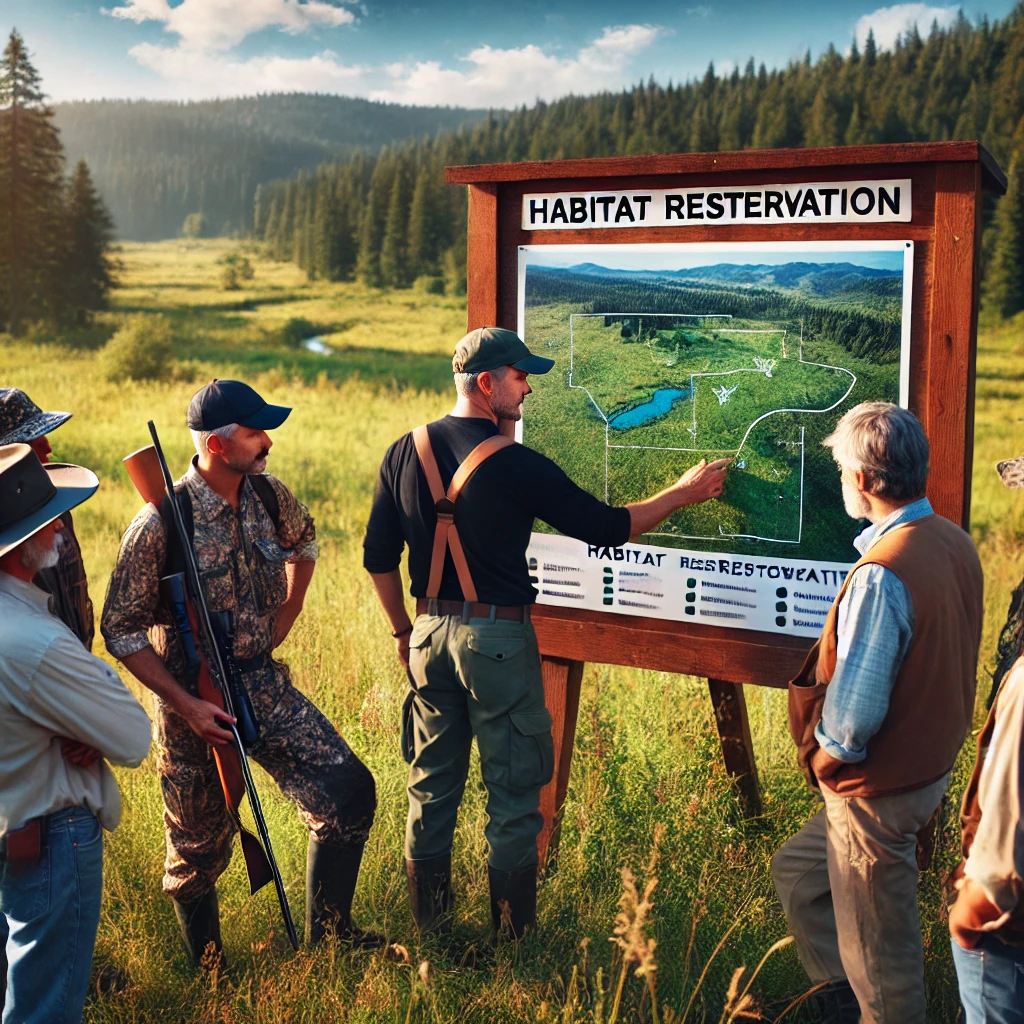
Educating your hunting lessees about ecological conservation, wildlife stewardship, and sustainable land use practices is key to fostering a positive and responsible hunting culture. Providing educational resources and opportunities ensures that lessees understand their role in preserving the environment, protecting wildlife, and maintaining the health of your property for future generations.
This guide explores the benefits of educating lessees, strategies to deliver effective education, and ways to incorporate conservation initiatives into your hunting lease program.
Why Educate Lessees?
1. Promote Ecological Balance
Educated lessees understand the importance of maintaining healthy ecosystems, ensuring sustainable hunting and land use.
2. Protect Wildlife Populations
Teaching ethical hunting practices and conservation principles helps regulate harvests and supports species preservation.
3. Enhance Property Value
A well-maintained property with engaged lessees attracts future hunters and increases long-term revenue.
4. Build Stronger Relationships
Providing educational resources demonstrates your commitment to responsible management, fostering trust and goodwill among lessees.
5. Align with Conservation Goals
Educational initiatives contribute to broader environmental objectives, enhancing your property’s reputation as a sustainable and ethical hunting destination.
Key Topics to Cover
1. Importance of Conservation
- Role of hunters in wildlife population control.
- Benefits of habitat restoration and biodiversity.
- How sustainable practices protect the land for future generations.
2. Wildlife Stewardship
- Identifying target and non-target species.
- Tracking and monitoring wildlife activity.
- Ethical considerations, such as avoiding unnecessary suffering and respecting breeding seasons.
3. Sustainable Land Use Practices
- Preventing erosion and soil degradation.
- Proper waste disposal and minimizing litter.
- Responsible use of trails and off-road vehicles to protect sensitive habitats.
4. Property Rules and Guidelines
- Specific rules for hunting zones, bag limits, and weapon use.
- Safety protocols to protect people and wildlife.
- Procedures for reporting issues like property damage or injured animals.
How to Educate Lessees
1. Provide Educational Materials
Distribute clear and engaging resources to ensure lessees understand conservation principles.
Examples of Materials:
- Welcome Packets: Include maps, property rules, and conservation tips.
- Guides and Brochures: Cover topics like ethical hunting and habitat preservation.
- Infographics: Visually explain concepts like wildlife corridors or sustainable practices.
Tip: Make materials available in both print and digital formats for easy access.
2. Host Workshops and Seminars
Interactive sessions allow lessees to learn from experts and engage with conservation topics firsthand.
Workshop Ideas:
- Wildlife Identification: Teach lessees how to distinguish between game and protected species.
- Conservation Practices: Cover topics like planting food plots or managing invasive species.
- Hunting Ethics: Discuss fair chase principles and humane shot placement.
Tip: Partner with local wildlife agencies or conservation organizations to provide expert-led sessions.
3. Organize Conservation Initiatives
Encourage lessees to participate in hands-on projects that benefit your property and wildlife.
Initiative Examples:
- Tree planting days to restore habitats.
- Building birdhouses, bat boxes, or brush piles for wildlife shelter.
- Monitoring and reporting wildlife activity for population studies.
Tip: Highlight these initiatives in your marketing materials to attract environmentally conscious lessees.
4. Use Signage and Visual Cues
Place educational signage around your property to reinforce key messages.
Examples:
- “Wildlife Conservation Area: No Hunting Beyond This Point.”
- “Protect Native Plants: Avoid Driving Off Trails.”
- “Remember: Pack It In, Pack It Out.”
5. Leverage Technology
Use digital tools to share information and engage lessees with conservation education.
Ideas for Technology Use:
- Create an online portal with downloadable guides and videos.
- Use apps to track lessee activity, wildlife sightings, or rule compliance.
- Send email newsletters with updates on conservation efforts and property improvements.
6. Reward Conservation Efforts
Recognize lessees who go above and beyond in supporting ecological conservation.
Examples of Rewards:
- Discounts on lease renewals for participation in conservation projects.
- Public recognition in newsletters or social media.
- Exclusive access to prime hunting areas for demonstrated stewardship.
Benefits of Educating Lessees
1. Improved Property Management
Educated lessees contribute to maintaining your property, reducing your workload and costs.
2. Healthier Ecosystems
Engaged lessees help preserve habitats and support biodiversity, ensuring long-term sustainability.
3. Positive Reputation
A focus on education and conservation enhances your property’s standing among hunters and the broader community.
4. Stronger Community
Educational initiatives create a shared sense of purpose, fostering camaraderie and loyalty among lessees.
Case Study: Educational Success on a Hunting Lease
A landowner in North Carolina implemented an educational program for their 250-acre hunting property:
- Materials: Provided welcome packets with maps, ethical hunting guides, and conservation tips.
- Workshops: Hosted quarterly seminars on wildlife monitoring and habitat restoration.
- Conservation Projects: Organized lessees to plant native grasses and monitor deer populations.
- Results:
- Increased lessee engagement and satisfaction.
- Improved habitat quality, attracting more game species.
- Enhanced reputation, leading to higher demand and lease renewals.
Tips for Success
- Keep Education Simple and Practical: Focus on actionable tips and clear explanations.
- Involve Experts: Partner with wildlife agencies or conservationists to provide credibility and expertise.
- Engage Lessees Regularly: Use multiple channels to deliver ongoing education throughout the lease period.
- Showcase Results: Share success stories and progress updates to motivate continued engagement.
Conclusion
Educating lessees about ecological conservation, wildlife stewardship, and sustainable land use practices is an investment in the long-term success of your hunting lease. By providing resources, hosting workshops, and involving lessees in conservation initiatives, you can create a community of responsible hunters who respect your property and share your commitment to sustainability.
Start today by developing educational materials, planning events, and encouraging active participation in conservation efforts. Together, you and your lessees can protect the environment while enjoying the benefits of ethical and sustainable hunting.