
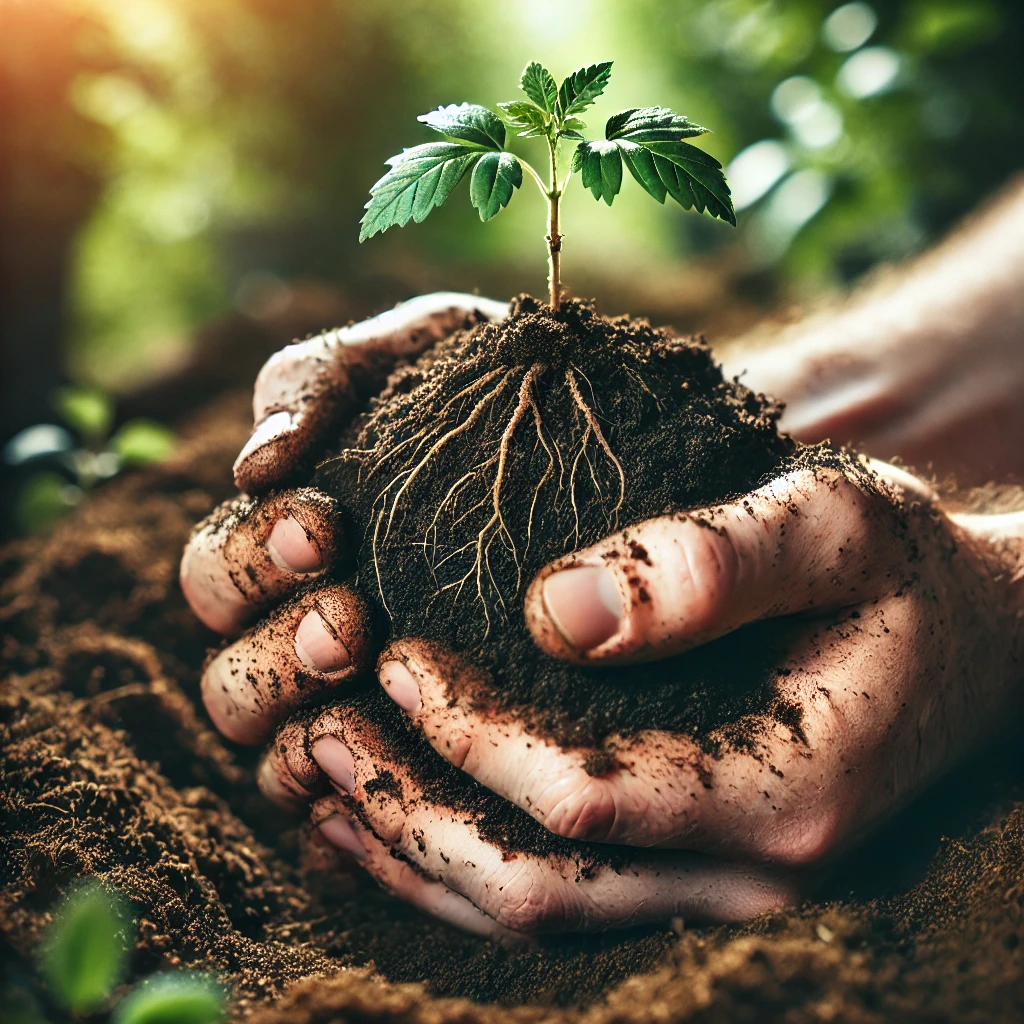
Sustainable land management (SLM) is the cornerstone of preserving ecosystem health while meeting the needs of present and future generations. By adopting practices such as soil conservation, water management, erosion control, and organic farming, landowners and managers can balance productivity with environmental stewardship.
This guide explores the importance of sustainable land management, practical strategies to implement it, and the long-term benefits for ecosystems and communities.
Why Sustainable Land Management is Essential
1. Preserve Ecosystem Health
Healthy ecosystems provide services like clean air, water, and biodiversity. Sustainable practices ensure these vital resources remain intact.
2. Combat Climate Change
SLM practices can mitigate climate change effects by improving carbon sequestration, reducing greenhouse gas emissions, and enhancing soil health.
3. Enhance Agricultural Productivity
Sustainable methods increase soil fertility, reduce water wastage, and improve crop yields over the long term.
4. Prevent Land Degradation
Practices like erosion control and soil conservation protect against desertification, nutrient depletion, and loss of arable land.
Key Sustainable Land Management Practices
1. Soil Conservation
Healthy soil is the foundation of sustainable land management.
Methods for Soil Conservation:
- Crop Rotation: Alternating crops to improve soil nutrients and reduce pest populations.
- Cover Crops: Planting crops like clover or rye to protect soil during off-seasons.
- Minimal Tillage: Reducing tillage to maintain soil structure and organic matter.
- Composting: Adding organic compost to enrich soil fertility.
2. Water Management
Efficient water use ensures sustainability and reduces waste.
Techniques for Water Management:
- Drip Irrigation: Delivers water directly to plant roots, minimizing evaporation and runoff.
- Rainwater Harvesting: Collecting and storing rainwater for irrigation and other uses.
- Terracing: Creating flat areas on slopes to retain water and reduce runoff.
- Constructed Wetlands: Using wetland systems to filter water naturally and manage runoff.
3. Erosion Control
Preventing erosion maintains soil health and protects nearby waterways.
Erosion Control Measures:
- Contour Plowing: Plowing along the natural contours of the land to slow water flow and reduce soil erosion.
- Windbreaks: Planting rows of trees or shrubs to reduce wind erosion.
- Riparian Buffers: Establishing vegetated strips along waterways to prevent sediment runoff.
- Check Dams: Small barriers that slow water flow in gullies, reducing soil erosion.
4. Organic and Regenerative Farming
Adopting organic and regenerative farming practices promotes long-term sustainability.
Key Practices:
- No Synthetic Chemicals: Avoiding synthetic pesticides, herbicides, and fertilizers.
- Agroforestry: Integrating trees and shrubs into agricultural landscapes to enhance biodiversity and soil health.
- Crop Diversity: Growing a variety of crops to improve resilience against pests and diseases.
- Livestock Integration: Rotational grazing systems that enhance soil fertility and prevent overgrazing.
Steps to Implement Sustainable Land Management
1. Assess the Land’s Current Condition
Begin by evaluating the soil quality, water availability, vegetation cover, and erosion risks on your property.
Tools for Assessment:
- Soil testing kits to determine pH levels and nutrient content.
- Satellite imagery or drone surveys to identify erosion or land degradation.
- Water quality tests for nearby streams or ponds.
2. Develop a Land Management Plan
Create a detailed plan outlining sustainable practices tailored to your property’s needs.
Key Elements of a Management Plan:
- Goals: Define specific outcomes (e.g., reducing erosion by 50% or increasing crop yields sustainably).
- Timeline: Set milestones for implementation and monitoring.
- Budget: Allocate resources for tools, materials, and labor.
3. Engage Stakeholders and Experts
Collaborate with local conservation groups, agricultural extension services, or environmental experts for guidance and support.
Benefits of Collaboration:
- Access to technical expertise and funding opportunities.
- Networking with other land managers to share knowledge and best practices.
4. Monitor Progress and Adapt
Regularly assess the effectiveness of your SLM practices and make adjustments as needed.
Monitoring Tools:
- Record crop yields, water usage, and soil health improvements over time.
- Use apps or software to track environmental impact metrics.
Challenges and Solutions in Sustainable Land Management
Challenge: High Initial Costs
Solution: Seek grants, subsidies, or cost-sharing programs offered by government agencies or environmental organizations.
Challenge: Resistance to Change
Solution: Educate stakeholders about the long-term economic and environmental benefits of sustainable practices.
Challenge: Limited Resources or Knowledge
Solution: Partner with agricultural extension programs, universities, or NGOs for training and resources.
Real-Life Examples of Sustainable Land Management
1. The Loess Plateau Rehabilitation in China
Once severely degraded, the Loess Plateau was transformed through terracing, reforestation, and sustainable farming practices. The project improved soil fertility, reduced erosion, and restored biodiversity, benefiting millions of residents.
2. Agroforestry in Kenya
Smallholder farmers in Kenya have adopted agroforestry practices, combining crops with trees to improve soil health, increase yields, and combat climate change.
Benefits of Sustainable Land Management
- Environmental: Improved biodiversity, reduced carbon footprint, and enhanced ecosystem services.
- Economic: Higher crop yields, reduced input costs, and long-term savings from avoiding land degradation.
- Social: Increased community resilience, food security, and access to clean water.
Conclusion
Implementing sustainable land management practices such as soil conservation, water management, erosion control, and organic farming is vital for maintaining ecosystem health and resilience. By taking a proactive approach, landowners can achieve a balance between productivity and environmental stewardship.
Start by assessing your land’s needs, creating a tailored management plan, and leveraging the expertise of stakeholders. Sustainable land management not only benefits the environment but also creates long-lasting economic and social advantages for future generations.