
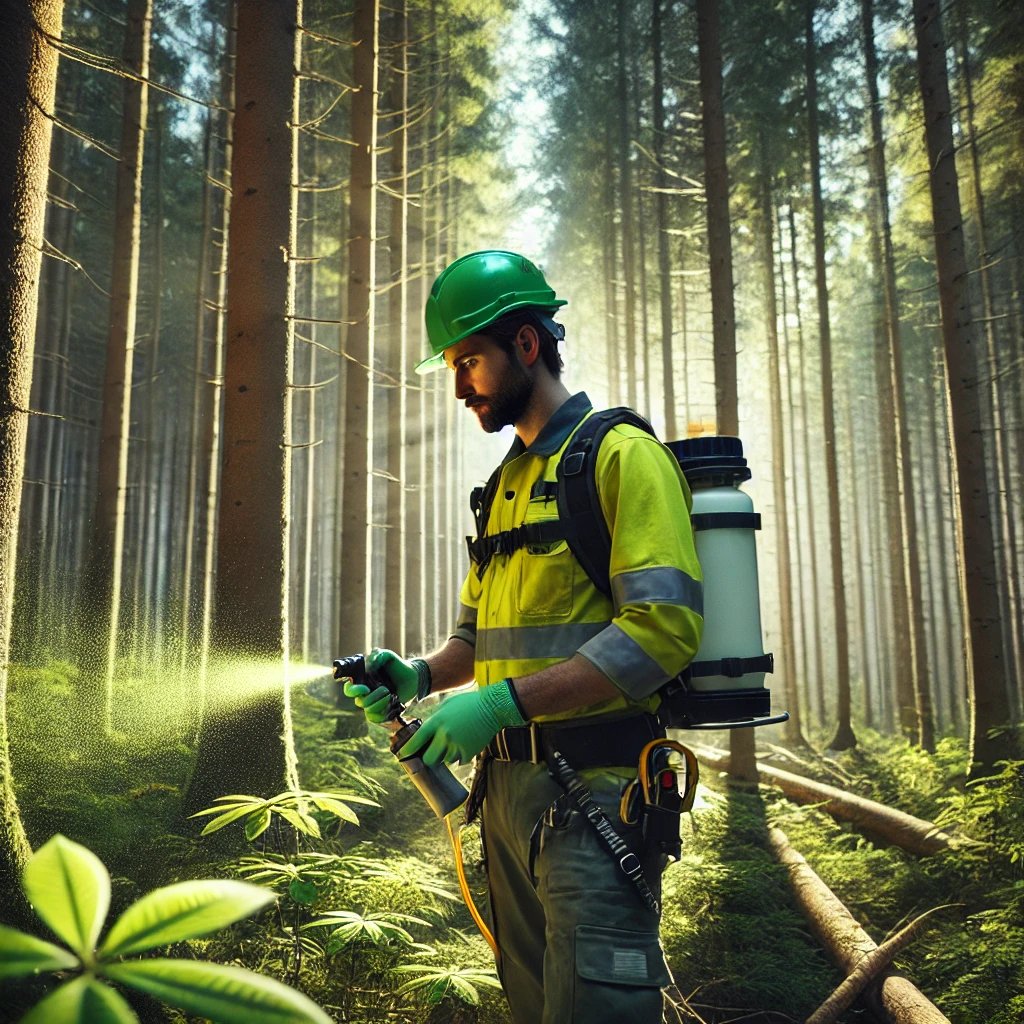
Timely harvesting activities—such as crop harvesting, timber thinning, or other land management practices—play a critical role in minimizing wildlife attraction, protecting habitats, and reducing potential damage during sensitive periods. By scheduling these activities strategically, landowners can balance operational needs with ecological sustainability, ensuring the long-term health of the land and its wildlife populations.
This guide explores the importance of timely harvesting, best practices for scheduling, and strategies to align your activities with the needs of your property and its ecosystem.
Why Implement Timely Harvesting?
1. Minimize Wildlife Attraction
Harvesting crops or timber at the right time reduces the likelihood of wildlife gathering in vulnerable areas, preventing overpopulation, crop destruction, and other issues.
2. Protect Critical Wildlife Periods
Scheduling activities to avoid sensitive times—such as breeding seasons, migration, or harsh weather—helps minimize disruptions to wildlife.
3. Reduce Habitat Damage
Properly timed harvesting minimizes soil erosion, vegetation destruction, and other forms of habitat degradation.
4. Improve Operational Efficiency
Timely harvesting ensures optimal crop or timber yields, reduces waste, and aligns with market demand.
5. Promote Sustainable Land Management
Balancing harvesting schedules with wildlife and environmental needs supports the long-term health of the property.
Key Harvesting Activities and Their Impact
1. Crop Harvesting
- Potential Issues: Unharvested crops can attract wildlife, leading to overgrazing, damage, and dependence on artificial food sources.
- Solution: Schedule harvesting as soon as crops reach maturity to minimize wildlife attraction and reduce food waste.
2. Timber Thinning and Logging
- Potential Issues: Logging during critical periods (e.g., breeding seasons) can disrupt nesting or denning wildlife and damage habitats.
- Solution: Conduct thinning or selective logging outside of sensitive periods and use low-impact techniques to minimize habitat disturbance.
3. Food Plot Management
- Potential Issues: Overgrown or unmanaged food plots can attract wildlife away from natural feeding areas, increasing pressure on the land.
- Solution: Rotate or mow food plots after peak usage to allow regrowth and maintain habitat balance.
4. Controlled Burns and Habitat Restoration
- Potential Issues: Poorly timed burns can displace wildlife and harm ground-nesting species.
- Solution: Schedule burns during dormant seasons or under professional supervision to reduce ecological impact.
Best Practices for Implementing Timely Harvesting
1. Monitor Wildlife Activity
Regularly assess wildlife behavior to identify periods of heightened activity, such as migration, breeding, or feeding.
Monitoring Tools:
- Trail cameras to track movement patterns.
- Wildlife logs maintained by hunters or property managers.
- Consultations with local wildlife biologists or conservation agencies.
2. Plan Around Critical Wildlife Periods
Avoid harvesting activities during sensitive times, such as:
- Breeding Seasons: Protect nesting or denning species.
- Migration Periods: Prevent disruptions to migratory routes.
- Winter or Harsh Weather: Avoid stressing wildlife when resources are scarce.
3. Coordinate with Hunting Seasons
Schedule harvesting activities to complement hunting schedules, reducing overlap and ensuring safety.
Examples:
- Complete crop harvesting before the start of deer season to limit food availability in areas you want to discourage wildlife presence.
- Postpone timber thinning in heavily hunted zones until the season ends.
4. Use Low-Impact Techniques
Minimize environmental disruption by adopting sustainable harvesting practices.
Examples:
- Use smaller machinery or manual methods in sensitive areas.
- Avoid clear-cutting; opt for selective harvesting to preserve habitat structure.
- Schedule activities during dry conditions to prevent soil compaction and erosion.
5. Collaborate with Experts
Work with agronomists, foresters, or wildlife biologists to optimize harvest timing and methods.
Benefits of Timely Harvesting
1. Enhanced Wildlife Management
Strategically timed harvesting prevents artificial overconcentration of wildlife, promoting natural behaviors and population control.
2. Improved Ecosystem Health
Protecting habitats during sensitive periods supports biodiversity and ecological balance.
3. Higher Yields and Profits
Harvesting crops or timber at peak maturity ensures better yields and aligns with market demand, maximizing revenue.
4. Stronger Relationships with Lessees
A well-managed property with sustainable practices attracts responsible hunters and long-term lessees.
Case Study: Timely Harvesting Success
A landowner in Missouri combined wildlife monitoring and timely harvesting to manage a 500-acre hunting property:
- Challenge: Wildlife overgrazed unharvested crops, leading to property damage and poor game distribution.
- Solution:
- Installed trail cameras to track deer activity.
- Harvested corn fields immediately after maturity to limit attraction.
- Scheduled timber thinning during late winter to avoid nesting disruptions.
- Results:
- Reduced wildlife overconcentration and habitat stress.
- Improved game distribution and lessee satisfaction.
- Increased crop yields and lease renewal rates.
Tips for Success
- Stay Flexible: Adjust harvesting schedules based on weather, wildlife behavior, and lessee activity.
- Communicate with Stakeholders: Inform lessees about planned harvesting activities to avoid conflicts and ensure safety.
- Document Practices: Keep records of harvesting schedules, wildlife sightings, and environmental impacts to refine your approach over time.
- Incorporate Conservation Goals: Align harvesting practices with broader ecological objectives to maintain property health.
Conclusion
Timely harvesting is a vital component of sustainable land management, balancing operational needs with ecological considerations. By scheduling activities strategically and prioritizing wildlife stewardship, landowners can minimize habitat disruption, protect critical periods, and enhance property health.
Start by monitoring wildlife activity, collaborating with experts, and planning around sensitive periods to implement a harvesting strategy that benefits both your land and its wildlife. With thoughtful timing and sustainable practices, you can create a thriving and harmonious environment for hunting, conservation, and productivity.