
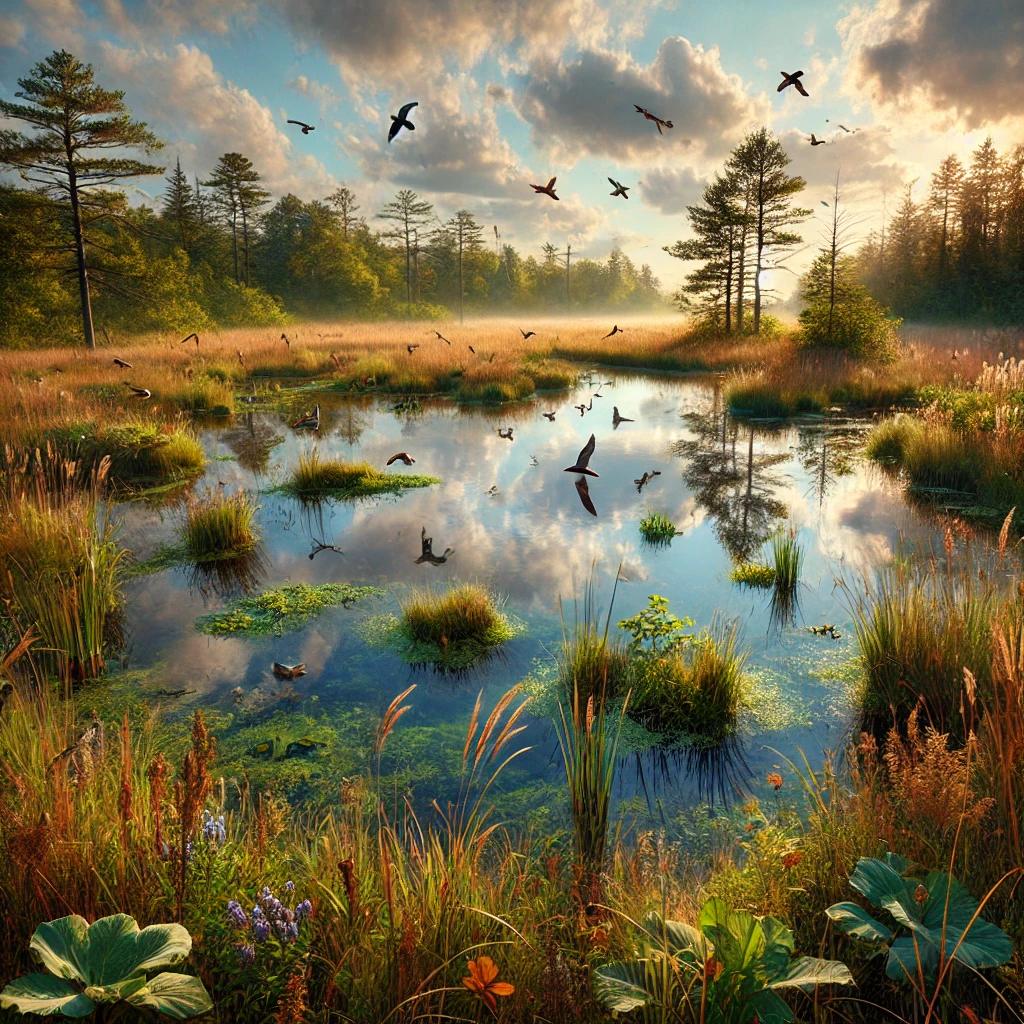
Investing in long-term conservation is essential for maintaining the natural beauty, wildlife habitats, and ecological balance of your land. By prioritizing habitat restoration and sustainable land management practices, landowners can ensure that their property remains a thriving ecosystem for future generations while supporting hunting, recreation, and other land uses.
This guide explores the benefits of conservation, practical strategies for habitat restoration, and actionable steps to implement sustainable practices on your property.
Why Invest in Long-Term Conservation?
1. Preserve Wildlife Habitats
Conservation efforts maintain the diversity and health of ecosystems, providing food, shelter, and breeding grounds for wildlife.
2. Enhance Property Value
Well-managed land with healthy ecosystems is more attractive to lessees, buyers, and conservation groups.
3. Support Sustainable Hunting
Healthy habitats ensure balanced wildlife populations, allowing for ethical and sustainable hunting opportunities.
4. Mitigate Environmental Impact
Conservation practices reduce soil erosion, improve water quality, and sequester carbon, combating the effects of climate change.
5. Leave a Legacy
Long-term conservation protects your property’s natural beauty and ecological integrity for future generations to enjoy.
Key Conservation Practices
1. Habitat Restoration
Restoration Techniques:
- Reforestation: Plant native trees and shrubs to restore forested areas, providing cover and food for wildlife.
- Wetland Restoration: Rehabilitate ponds, marshes, or other wetlands to improve water quality and support diverse species.
- Prairie Restoration: Reintroduce native grasses and wildflowers to open fields for pollinators and ground-nesting birds.
Benefits:
- Supports species diversity.
- Prevents soil erosion.
- Enhances water filtration and flood control.
2. Sustainable Land Management
Best Practices:
- Soil Conservation: Use techniques like contour plowing, terracing, and cover cropping to prevent erosion and improve fertility.
- Water Management: Install rainwater collection systems or retention ponds to manage runoff and support wildlife.
- Rotational Grazing: Limit grazing intensity to preserve grassland ecosystems and reduce overgrazing.
3. Wildlife-Friendly Landscaping
Key Features:
- Plant native vegetation to attract pollinators, birds, and mammals.
- Create wildlife corridors to connect fragmented habitats.
- Install shelters, such as birdhouses, bat boxes, or brush piles, to provide nesting sites.
4. Invasive Species Control
Steps to Manage Invasives:
- Identify and remove invasive plants that outcompete native species.
- Monitor for invasive animal species and implement control measures if necessary.
- Reintroduce native plants to outcompete invasives and restore habitat balance.
5. Conservation Partnerships
Collaborate with local organizations, wildlife agencies, and conservation groups to amplify your efforts.
Benefits of Partnerships:
- Access to technical expertise and funding opportunities.
- Support for large-scale habitat restoration projects.
- Opportunities to engage the community in conservation initiatives.
Steps to Implement Long-Term Conservation
1. Assess Your Property’s Needs
Conduct an environmental assessment to identify key conservation priorities.
Assessment Tools:
- Soil and water testing kits.
- Wildlife surveys using trail cameras or observation logs.
- Maps of vegetation, wetlands, and topography.
2. Develop a Conservation Plan
Create a detailed plan outlining your goals, timelines, and resources.
Plan Components:
- Habitat restoration projects, such as planting or wetland rehabilitation.
- Sustainable land management practices tailored to your property.
- Annual monitoring and maintenance schedules.
3. Secure Funding and Resources
Seek grants, incentives, or cost-sharing programs to support your conservation efforts.
Potential Funding Sources:
- USDA conservation programs like the Conservation Reserve Program (CRP).
- Nonprofits focused on land conservation and wildlife protection.
- State and federal agencies offering habitat restoration grants.
4. Engage Lessees and Community Members
Involve lessees in conservation projects to build a shared commitment to sustainable land use.
Ways to Engage:
- Host habitat restoration days for lessees and volunteers.
- Educate lessees on the importance of conservation through workshops or informational materials.
- Reward lessees who actively contribute to conservation goals, such as through lease discounts or exclusive access to prime areas.
5. Monitor Progress and Adapt
Regularly assess the effectiveness of your conservation efforts and make adjustments as needed.
Monitoring Tools:
- Wildlife population tracking using trail cameras or observation logs.
- Soil and water quality testing at regular intervals.
- Aerial or drone surveys to evaluate habitat changes over time.
Long-Term Benefits of Conservation
- Increased Biodiversity: Healthy ecosystems attract a variety of species, from pollinators to large game animals.
- Sustainable Land Use: Balancing conservation and land management ensures ongoing productivity and ecosystem health.
- Enhanced Hunting Opportunities: Thriving wildlife populations support ethical and sustainable hunting.
- Community Impact: Conservation projects inspire others to adopt sustainable practices, amplifying your efforts.
- Climate Resilience: Restored habitats and sustainable practices improve the land’s ability to withstand environmental changes.
Case Study: Long-Term Conservation Success
A landowner in Florida invested in a 300-acre conservation program to restore wetlands and native grasslands:
- Actions Taken:
- Partnered with a conservation group to remove invasive plants and reintroduce native vegetation.
- Installed wildlife corridors connecting fragmented habitats.
- Implemented rotational grazing to preserve grasslands.
- Results:
- A 40% increase in wildlife sightings, including deer, turkeys, and pollinators.
- Improved water quality and reduced flooding in wetland areas.
- Positive feedback from lessees, resulting in a 95% lease renewal rate.
Conclusion
Investing in long-term conservation is a rewarding and impactful way to preserve your land’s natural beauty, support wildlife habitats, and promote sustainable land use. By implementing habitat restoration, sustainable practices, and community engagement, you can create a thriving ecosystem that benefits future generations while enhancing the value of your property.
Start today by assessing your property’s needs, developing a conservation plan, and partnering with experts to achieve your goals. Together, you and your lessees can protect and sustain the land for years to come.