
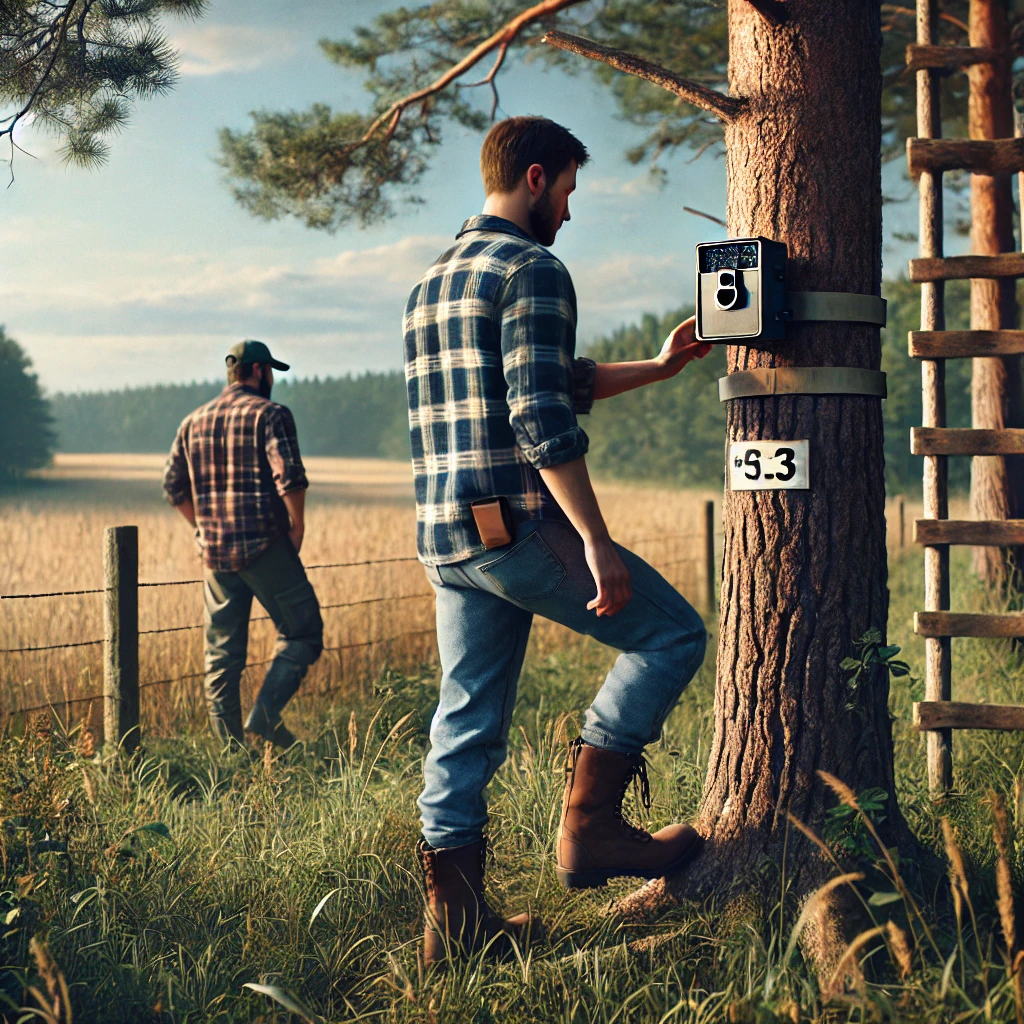
Monitoring hunting activities on your property is essential to maintaining compliance with rules, safety guidelines, and property use regulations. Proactively observing lessee behavior helps protect your land, wildlife, and reputation while fostering a positive relationship with lessees. Addressing concerns or violations promptly and professionally ensures a safe and enjoyable experience for everyone involved.
This guide explores the importance of monitoring property use, effective methods for oversight, and strategies for addressing issues in a fair and constructive manner.
Why Monitoring Property Use is Important
1. Ensure Rule Compliance
Regular monitoring confirms that lessees follow agreed-upon rules and regulations, from ethical hunting practices to land use restrictions.
2. Promote Safety
Oversight minimizes the risk of accidents by ensuring lessees adhere to safety guidelines, such as proper firearm use and wearing blaze orange.
3. Protect Property and Wildlife
Monitoring deters illegal activities like poaching or property damage while supporting sustainable wildlife management.
4. Build Trust and Accountability
Demonstrating a commitment to oversight reassures lessees that you value their experience while holding everyone accountable.
5. Address Issues Early
Proactive monitoring allows you to identify and resolve concerns before they escalate, saving time and reducing conflict.
Key Areas to Monitor
1. Hunting Activities
- Compliance with bag limits and species restrictions.
- Use of legal hunting methods, such as fair chase practices.
- Proper reporting of harvested game.
2. Safety Protocols
- Safe handling of firearms and equipment.
- Wearing of required safety gear, such as blaze orange during firearm seasons.
- Adherence to designated hunting zones and blind locations.
3. Property Use and Maintenance
- Avoiding restricted or sensitive areas (e.g., wetlands, wildlife corridors).
- Preventing littering or improper disposal of waste.
- Maintaining trails, blinds, and other infrastructure.
4. Unauthorized Access
- Ensuring only authorized lessees and their guests access the property.
- Monitoring for trespassers or unpermitted use.
Methods for Monitoring Property Use
1. Install Trail Cameras
Trail cameras are an effective, low-maintenance tool for monitoring activity across your property.
Benefits of Trail Cameras:
- Capture evidence of rule violations, such as unreported harvests or trespassing.
- Track wildlife activity to support management efforts.
- Operate discreetly without disrupting lessee activities.
Tip: Position cameras near entrances, hunting zones, or areas prone to violations.
2. Conduct Regular Inspections
Periodic site visits allow you to assess property conditions and observe lessee behavior firsthand.
Inspection Checklist:
- Check for litter, damage, or evidence of unauthorized access.
- Ensure blinds, stands, and equipment are in safe and functional condition.
- Verify that lessees are following safety and ethical hunting guidelines.
Tip: Schedule inspections during off-peak hours to minimize disruption.
3. Use Technology for Oversight
Leverage apps and digital tools to monitor property use remotely.
Examples:
- GPS tracking apps to log lessee movements and ensure they stay within permitted zones.
- Online reporting forms for lessees to log harvests, wildlife sightings, or maintenance issues.
4. Require Activity Logs
Ask lessees to maintain detailed logs of their hunting activities, including dates, times, harvests, and observations.
Benefits of Activity Logs:
- Provide transparency and accountability.
- Offer valuable data for wildlife management and lease reviews.
Tip: Include log templates in your welcome packet or lease agreement.
5. Establish a Communication Channel
Encourage lessees to report concerns or violations directly to you.
How to Set Up Communication Channels:
- Create a dedicated phone line or email address for reporting.
- Use a group chat or app for real-time updates and feedback.
- Provide clear guidelines on how and when to report issues.
How to Address Concerns and Violations
1. Investigate Promptly
Take reports or observed violations seriously and investigate immediately to gather accurate information.
2. Communicate Professionally
Discuss concerns with lessees in a respectful and non-confrontational manner to maintain trust.
Example Approach:
“Hi [Name], I noticed [specific issue] during a recent inspection. Let’s review the lease agreement together to address this and prevent future occurrences.”
3. Apply Consequences Fairly
Enforce the penalties outlined in your lease agreement for violations, such as fines or termination of the lease.
Examples of Penalties:
- Verbal or written warnings for minor infractions.
- Financial penalties for repeated or serious issues, such as property damage.
- Immediate eviction for dangerous or illegal activities, such as poaching.
4. Offer Education and Support
Provide lessees with resources or guidance to prevent future violations and encourage compliance.
Preventative Strategies
1. Set Clear Expectations in the Lease Agreement
Outline rules, safety guidelines, and consequences for violations to ensure all parties understand their responsibilities.
2. Host Orientation Sessions
Conduct pre-season orientations to review property rules, safety protocols, and ethical hunting practices with lessees.
3. Recognize Good Behavior
Acknowledge lessees who follow rules and contribute to property management to encourage positive behavior.
Benefits of Monitoring Property Use
- Improved Compliance: Proactive oversight reinforces rules and reduces violations.
- Enhanced Safety: Regular monitoring minimizes risks to people and wildlife.
- Preserved Property Value: Preventing damage and misuse protects your investment.
- Positive Relationships: Fair and professional monitoring fosters trust and lessee satisfaction.
Case Study: Effective Property Monitoring
A landowner in Montana implemented a comprehensive monitoring program for their 300-acre hunting lease:
- Methods: Installed trail cameras at entry points, conducted monthly inspections, and required lessees to log activities.
- Challenges: Initially addressed minor violations, such as leaving blinds in restricted areas.
- Results:
- 80% reduction in violations within the first season.
- Positive feedback from lessees about the property’s well-maintained conditions.
- Increased demand for leases due to the property’s reputation for safety and fairness.
Conclusion
Monitoring property use is vital for ensuring compliance with rules, promoting safety, and protecting your land. By combining technology, regular inspections, and open communication, you can maintain a well-managed hunting lease that benefits both lessees and wildlife.
Proactive monitoring not only addresses concerns effectively but also fosters a positive, transparent relationship with your lessees, ensuring a safe and enjoyable experience for all.