
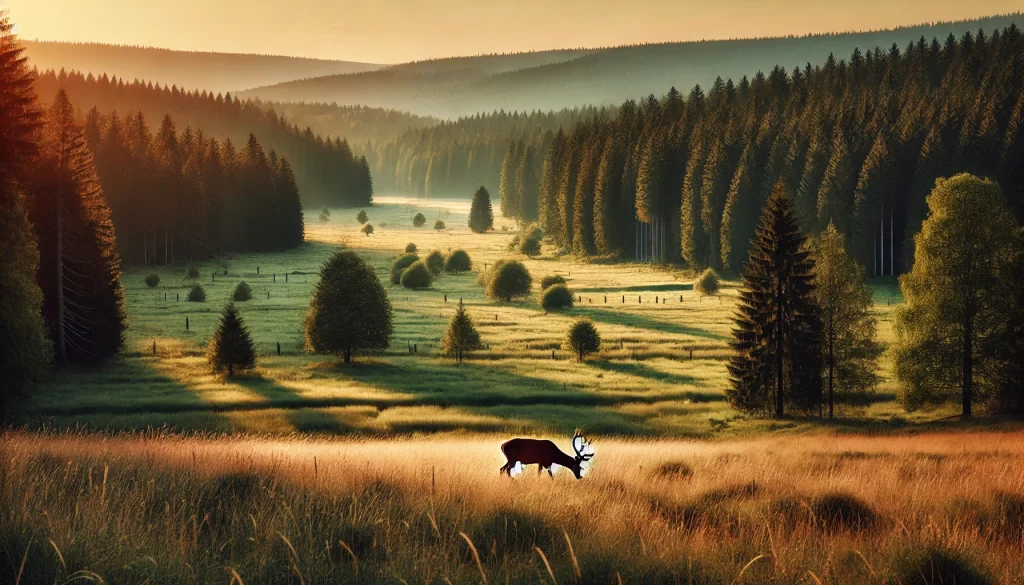
As a landowner, you play a critical role in conserving wildlife and maintaining ecological balance on your property. Whether you manage a large estate, farmland, or a smaller plot of wilderness, implementing wildlife monitoring programs can provide essential insights into the health of local ecosystems. This article explores the importance of monitoring wildlife populations, outlines steps to establish effective programs, and highlights key benefits for landowners committed to conservation.
Why Monitor Wildlife Populations?
Wildlife monitoring is the cornerstone of effective conservation. Tracking animal populations, observing habitat health, and evaluating ecological changes allow landowners to:
- Assess Biodiversity: Understand the variety of species on your land and their interdependence.
- Identify Threats: Detect signs of declining populations, habitat degradation, or invasive species.
- Support Conservation Goals: Ensure your property contributes to broader ecological health and resilience.
- Comply with Regulations: Meet local conservation requirements and qualify for incentives or grants.
- Improve Land Value: Demonstrate a commitment to sustainability, which can attract environmentally conscious buyers or tenants.
Steps to Implement Wildlife Monitoring Programs
1. Define Your Goals
Before you begin, establish clear objectives for your monitoring program. Common goals include:
- Tracking specific species of concern.
- Measuring the impact of habitat restoration efforts.
- Identifying migration patterns or breeding hotspots.
A focused approach ensures efficient resource allocation and meaningful results.
2. Conduct a Baseline Assessment
Start with a comprehensive survey of your property to establish baseline data. Key components include:
- Species Inventory: Record the types of animals present.
- Habitat Mapping: Assess different ecosystems on your land, such as forests, wetlands, or grasslands.
- Ecological Health Indicators: Look for signs of healthy habitats, such as diverse plant life, water quality, and absence of pollutants.
3. Choose Monitoring Methods
The tools and techniques you use will depend on your goals, resources, and the species you wish to monitor. Common methods include:
a. Camera Traps
Set up motion-activated cameras in strategic locations to capture images or videos of wildlife. Camera traps are ideal for monitoring elusive or nocturnal species.
b. Direct Observation
Spend time observing animals in their natural habitats, either through visual surveys or with binoculars. This method works well for large or easily visible species.
c. Acoustic Monitoring
Use audio recording devices to capture animal sounds, such as bird calls or amphibian croaks. This method is particularly effective for monitoring species that are easier to hear than see.
d. Population Surveys
Conduct systematic counts of species, such as bird counts, fish surveys, or amphibian egg mass surveys. Recruit volunteers or hire experts to ensure accuracy.
e. Ecological Assessments
Hire professional ecologists to assess habitat health and identify areas for improvement.
4. Collect and Analyze Data
Data collection is the backbone of any monitoring program. Ensure that you:
- Record observations consistently and accurately.
- Use apps or software to organize and analyze your data, such as iNaturalist, eBird, or GIS tools.
- Compare data over time to identify trends and measure the effectiveness of conservation efforts.
5. Engage Experts and Partners
Collaborate with local wildlife agencies, universities, or conservation groups to enhance your program. Experts can provide guidance, equipment, and technical support to improve outcomes.
6. Act on Insights
Use your findings to:
- Adjust land management practices.
- Enhance habitats, such as planting native vegetation or creating water sources.
- Advocate for conservation policies or programs in your community.
Benefits of Wildlife Monitoring for Landowners
1. Improved Ecosystem Health
Monitoring enables early detection of problems, allowing you to address issues before they escalate. Healthy ecosystems are more resilient and productive.
2. Financial Incentives
Landowners who implement conservation-friendly practices may qualify for grants, tax benefits, or certification programs like Wildlife Habitat Council Certification.
3. Enhanced Property Value
Properties with thriving ecosystems and sustainable management practices often appeal to buyers or investors interested in conservation.
4. Personal Fulfillment
There’s a unique sense of pride in knowing your land supports thriving wildlife populations and contributes to biodiversity conservation.
Case Study: Successful Wildlife Monitoring on Private Land
In a rural area of Montana, a ranch owner implemented a wildlife monitoring program to track deer, elk, and bird populations. Using camera traps and periodic bird surveys, the landowner discovered declining water sources were affecting local species. By restoring natural springs and planting native vegetation, the ranch now supports a growing population of wildlife. This initiative earned the landowner a regional conservation award and increased public interest in eco-tourism opportunities on the property.
Tools and Resources for Landowners
- Wildlife Agencies: Contact state or federal wildlife agencies for resources and support.
- Mobile Apps: Use tools like iNaturalist or Merlin Bird ID for easy species identification.
- Conservation Grants: Explore funding opportunities through organizations like the U.S. Fish and Wildlife Service.
- Professional Services: Hire ecologists or land management consultants for expert guidance.
Final Thoughts
Wildlife monitoring is an invaluable tool for landowners dedicated to sustainable land stewardship. By tracking populations and habitat health, you can contribute to biodiversity conservation while reaping benefits for your property. Take the first step today by assessing your land, defining your goals, and exploring the tools and resources available.
Call to Action:
Ready to enhance your property’s ecological health? Contact Kavava for expert advice and tailored solutions for wildlife monitoring and conservation. Together, we can protect our planet’s most precious resources—its wildlife and natural habitats.