
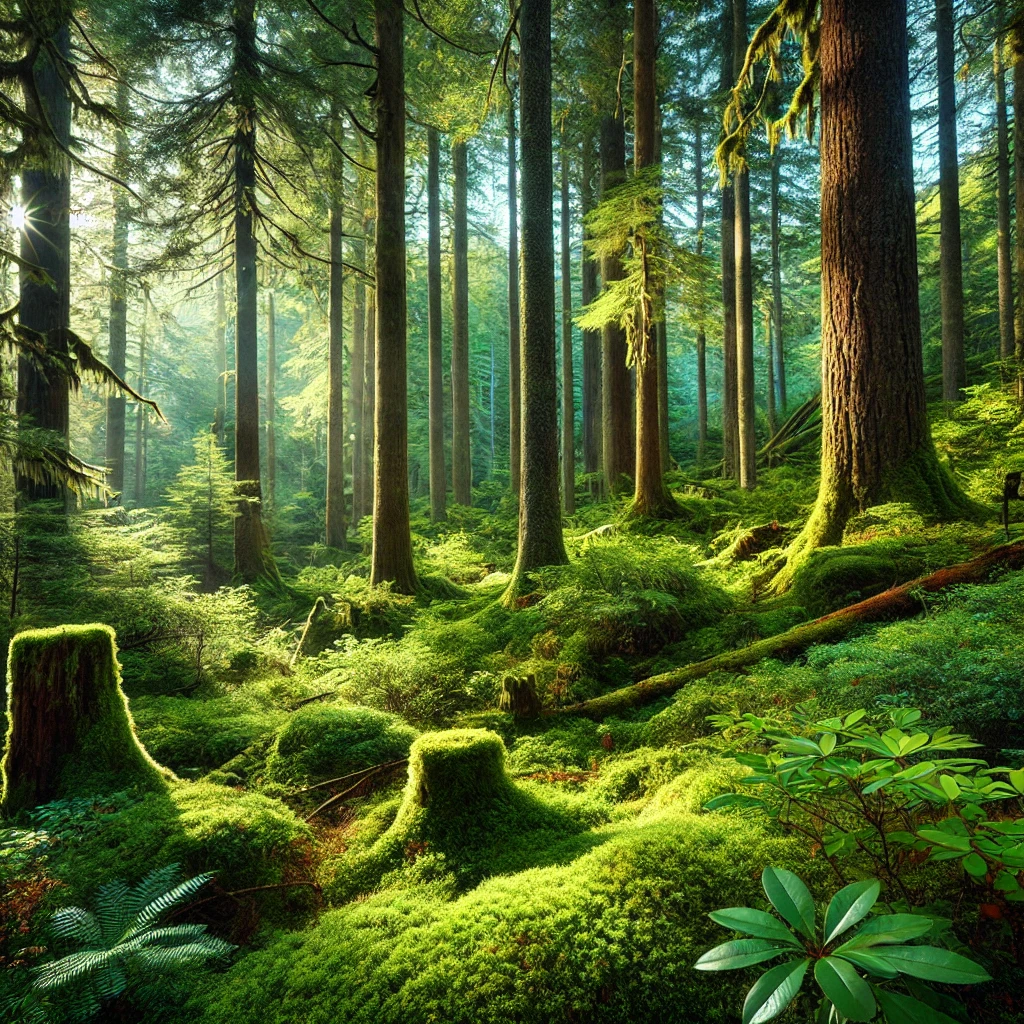
Native plantings and wildlife-friendly landscaping play a vital role in enhancing biodiversity, restoring natural ecosystems, and providing essential food and shelter for wildlife. As a landowner or property manager, promoting native plantings not only supports environmental sustainability but also creates a thriving, balanced habitat for the species that rely on your land.
This article explores the benefits of native plantings, strategies for habitat restoration, and actionable tips for creating a wildlife-friendly landscape that boosts ecosystem health.
Why Promote Native Plantings?
1. Enhance Biodiversity
Native plants attract a variety of species, including pollinators, birds, and mammals, contributing to a balanced and diverse ecosystem.
2. Support Local Wildlife
Native plants provide food, shelter, and nesting materials for wildlife adapted to your region’s environment.
3. Restore Ecosystems
Habitat restoration through native plantings revitalizes degraded areas, preventing soil erosion, improving water quality, and restoring natural cycles.
4. Reduce Maintenance and Costs
Native plants are well-suited to local soil, water, and climate conditions, requiring less maintenance, irrigation, and fertilizers compared to non-native species.
5. Mitigate Climate Change
Native landscapes sequester carbon, improve soil health, and increase resilience to climate-related challenges like drought and flooding.
Key Principles of Promoting Native Plantings
1. Understand Your Region’s Ecosystem
Research the native flora and fauna specific to your region to select plants that will thrive and benefit local wildlife.
Resources for Research:
- Local extension services or native plant societies.
- Online databases like the USDA Plants Database or Audubon Native Plants Database.
- Consultation with ecologists or landscape professionals specializing in native ecosystems.
2. Prioritize Pollinator-Friendly Plants
Pollinators such as bees, butterflies, and hummingbirds are vital for healthy ecosystems.
Examples of Pollinator-Friendly Plants:
- Milkweed (for monarch butterflies).
- Black-eyed Susan (for bees and butterflies).
- Trumpet vine (for hummingbirds).
3. Incorporate Layers of Vegetation
A diverse mix of trees, shrubs, grasses, and wildflowers creates a multi-layered habitat that supports various species.
Examples of Layered Vegetation:
- Canopy Layer: Oaks, maples, or pines for nesting birds and shade.
- Understory: Dogwoods or viburnums for berries and shelter.
- Ground Cover: Native grasses and wildflowers for insects and small mammals.
4. Avoid Invasive Species
Invasive plants can outcompete native species, disrupt ecosystems, and reduce biodiversity.
Common Invasive Plants to Avoid (Varies by Region):
- Kudzu
- English ivy
- Japanese honeysuckle
- Purple loosestrife
5. Implement Wildlife-Friendly Landscaping
Design your landscape to meet the needs of local wildlife while maintaining the property’s functionality.
Wildlife-Friendly Practices:
- Create brush piles or leave dead trees (snags) for shelter and nesting.
- Add water features like ponds or birdbaths to support hydration.
- Use natural materials like logs or stones for habitat structures.
Steps to Promote Native Plantings and Habitat Restoration
1. Assess Your Land
Identify existing vegetation, soil conditions, water sources, and degraded areas.
Tools for Assessment:
- Soil testing kits to determine pH and nutrient levels.
- Satellite imagery or drone surveys to map out vegetation and problem areas.
2. Develop a Restoration Plan
Outline goals and strategies for implementing native plantings and restoring habitats.
Key Components:
- Identify priority areas for restoration, such as eroded slopes or bare patches.
- Select native plants suited to each site’s conditions (e.g., sun exposure, soil type).
- Plan a phased approach to ensure manageable implementation.
3. Engage the Community
Collaborating with local groups or inviting lessees to participate fosters a sense of shared responsibility.
Ways to Engage:
- Host planting days where participants help with native landscaping projects.
- Provide educational materials on the benefits of native plants.
- Encourage lessees to adopt wildlife-friendly practices during their lease.
4. Monitor Progress and Adapt
Regularly assess the health of native plantings and make adjustments as needed.
Monitoring Tips:
- Track wildlife sightings to gauge habitat effectiveness.
- Measure plant growth and survival rates.
- Adjust watering schedules or soil treatments to address challenges.
Ideas for Promoting Native Plantings on Your Property
1. Create Pollinator Gardens
Establish dedicated areas with wildflowers, native grasses, and shrubs to attract pollinators.
2. Establish Wildlife Corridors
Connect fragmented habitats by planting native vegetation along property edges, streambanks, or fences to facilitate wildlife movement.
3. Reforest Degraded Areas
Plant native trees and shrubs in deforested or eroded areas to restore canopy cover and stabilize soil.
4. Enhance Water Features
Surround ponds, wetlands, or creeks with native vegetation to improve water quality and provide habitat for aquatic species.
Benefits of Promoting Native Plantings
- Increased Wildlife Presence: Native plantings attract and support a diverse range of species, from birds and mammals to insects and amphibians.
- Improved Ecosystem Health: Restored habitats enhance soil fertility, regulate water flow, and prevent erosion.
- Reduced Maintenance Costs: Native plants thrive with minimal inputs, saving time and resources.
- Enhanced Property Value: A well-maintained, biodiverse landscape appeals to lessees, visitors, and potential buyers.
Case Study: Successful Native Planting Initiative
A landowner in Tennessee restored a 20-acre hunting property by:
- Removing invasive species like kudzu and replacing them with native grasses and wildflowers.
- Planting oak and hickory trees to support local deer and turkey populations.
- Installing pollinator gardens near food plots to attract bees and butterflies.
- Creating a wildlife corridor along a creek, improving access for deer and small mammals.
Results:
- A noticeable increase in pollinator and bird activity.
- Improved soil quality and reduced erosion in previously degraded areas.
- Positive feedback from lessees, leading to higher retention rates.
Conclusion
Promoting native plantings and wildlife-friendly landscaping is a practical and impactful way to enhance biodiversity, restore ecosystems, and attract wildlife to your property. By implementing sustainable practices, engaging the community, and monitoring progress, you can create a thriving environment that benefits both nature and your lessees.
Take the first step by assessing your land, researching native plants, and developing a restoration plan that aligns with your goals. Together, we can cultivate a landscape that supports wildlife, protects natural resources, and ensures long-term sustainability.