
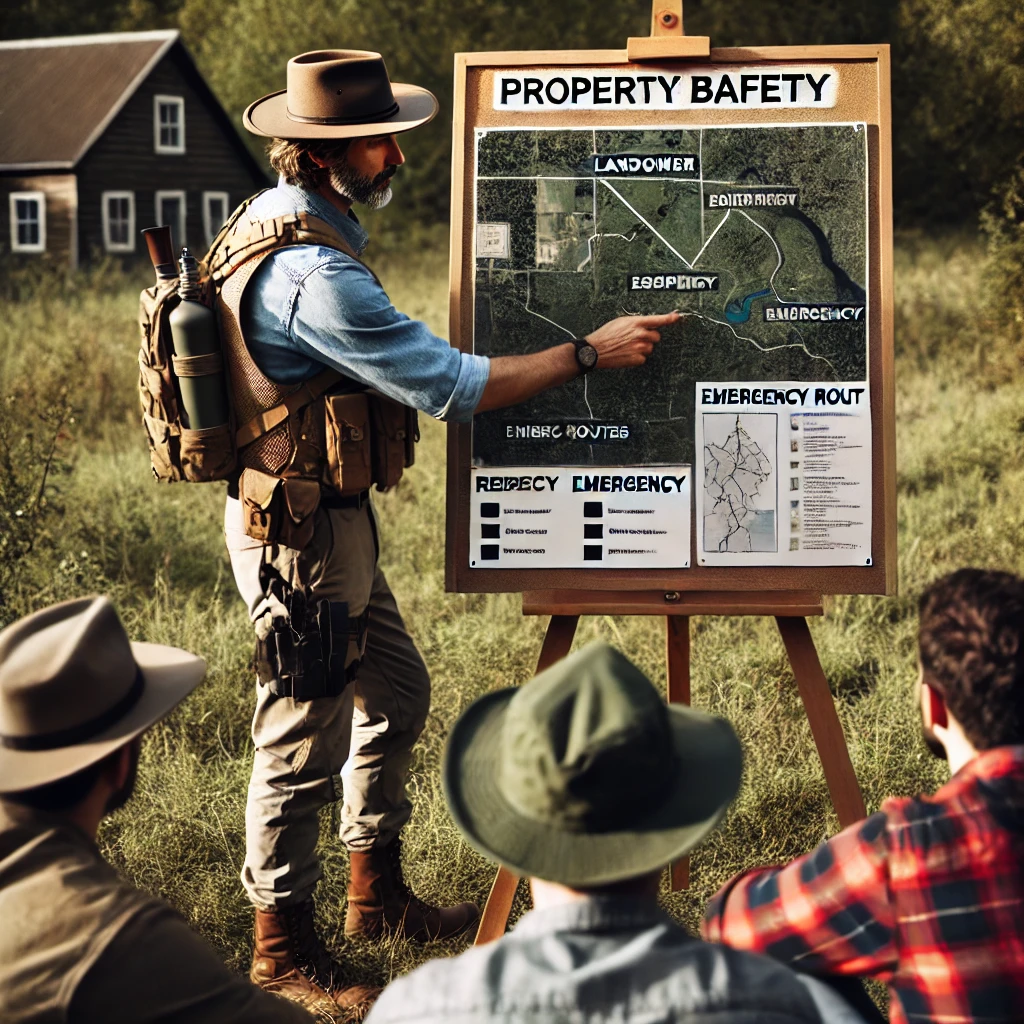
Providing lessees with clear and accessible emergency contact information is a critical aspect of responsible hunting lease management. Having a well-prepared plan in place ensures lessees can respond effectively to accidents or emergencies, protecting both people and wildlife while maintaining your property’s reputation for safety and professionalism.
This guide covers the importance of emergency preparedness, the key information to provide, and how to effectively communicate safety procedures to lessees.
Why Providing Emergency Contacts is Essential
1. Promotes Safety
Access to emergency contact information ensures lessees can quickly get help in case of accidents, injuries, or medical emergencies.
2. Builds Trust and Confidence
Proactively sharing safety resources shows lessees you value their well-being, fostering a positive and professional relationship.
3. Reduces Liability Risks
A clear emergency response plan minimizes the risk of delays or confusion during critical incidents, protecting both the landowner and lessees.
4. Ensures Property and Wildlife Protection
Emergency contacts can address issues like wildfires, natural disasters, or poaching incidents that threaten the property or its ecosystem.
Key Emergency Contacts to Provide
1. Local Emergency Services
Include the phone numbers for local police, fire departments, and ambulance services.
Example:
- Emergency (Police/Fire/EMS): 911
- Local Sheriff’s Office: (555) 123-4567
- Fire Department (Non-Emergency): (555) 987-6543
2. Nearest Hospitals or Medical Clinics
List nearby hospitals or urgent care facilities, along with their addresses and phone numbers.
Example:
- Nearest Hospital: County General Hospital
- Address: 123 Main Street, Springfield
- Phone: (555) 456-7890
3. Landowner or Property Manager Contact Information
Provide your contact details or those of a designated property manager to address non-emergency issues or provide guidance during incidents.
Example:
- Landowner: John Doe
- Phone: (555) 111-2222
- Email: johndoe@property.com
- Backup Contact: Jane Smith
- Phone: (555) 333-4444
4. Wildlife and Conservation Agencies
Include contacts for reporting wildlife emergencies, poaching, or environmental concerns.
Example:
- State Wildlife Agency: (555) 789-1234
- Poaching Hotline: (555) 456-7891
5. Utility Companies
Provide numbers for local utility companies in case of issues like power outages, gas leaks, or water supply concerns.
Example:
- Electric Company: (555) 234-5678
- Gas Company: (555) 876-5432
6. Evacuation Routes and Procedures
If your property is in an area prone to natural disasters like wildfires or floods, include detailed evacuation routes and procedures.
Example Instructions:
- Primary Evacuation Route: Exit via North Gate and follow State Road 10 toward Springfield.
- Secondary Route: Use South Trail to access Highway 15.
- Assembly Point: Parking lot at the main entrance.
How to Communicate Emergency Information
1. Provide an Emergency Contact Sheet
Create a concise, easy-to-read document with all emergency contacts and procedures.
What to Include:
- Contact names, phone numbers, and addresses.
- A map of the property highlighting key locations like exits, first aid stations, and assembly points.
- Instructions for reporting emergencies or contacting the landowner.
Tip: Include this sheet in the welcome packet or lease agreement.
2. Use Signage on the Property
Place signs or posters with emergency numbers and safety reminders at strategic locations, such as trailheads, entrances, or hunting blinds.
Example Signage:
- “In Case of Emergency: Call 911. Nearest Hospital: County General, (555) 456-7890.”
- “Evacuation Route Map: Posted at Main Entrance.”
3. Leverage Technology
Share emergency information digitally for easy access.
Ideas for Digital Communication:
- Provide a downloadable PDF or mobile-friendly document with emergency contacts.
- Use a group messaging app to send updates or reminders about safety procedures.
- Incorporate GPS coordinates for key locations into a mapping app.
4. Conduct Pre-Season Orientations
Review emergency procedures with lessees before the hunting season begins.
Topics to Cover:
- Location of first aid kits and safety equipment.
- Evacuation routes and assembly points.
- Contact protocol for injuries, property damage, or wildlife emergencies.
Tips for Effective Emergency Preparedness
1. Keep Information Up to Date
Regularly verify that all contact numbers and addresses are accurate and reflect current services.
2. Provide First Aid Supplies
Place first aid kits at accessible locations on the property and ensure lessees know where to find them.
3. Encourage Preparedness Among Lessees
Ask lessees to carry personal first aid kits, mobile phones, and GPS devices while on the property.
4. Test Emergency Procedures
Conduct mock drills or walkthroughs to familiarize lessees with evacuation routes and contact protocols.
Benefits of Providing Emergency Contact Information
- Improved Safety: Quick access to emergency resources ensures timely responses to accidents or injuries.
- Reduced Liability: A well-prepared emergency plan demonstrates due diligence, protecting you from legal risks.
- Increased Lessee Confidence: Clear guidance reassures lessees that their safety is a priority.
- Enhanced Property Management: Effective communication during emergencies minimizes disruptions and long-term impacts.
Case Study: Emergency Preparedness Success
A landowner in Colorado developed an emergency contact plan for their 200-acre hunting property:
- Actions Taken:
- Provided lessees with an emergency contact sheet listing local services and evacuation routes.
- Installed signage at key locations with contact numbers and first aid instructions.
- Conducted a pre-season safety briefing for all lessees.
- Outcome:
- During a minor hunting injury, lessees followed the contact sheet to get medical assistance quickly.
- Feedback from lessees highlighted their appreciation for the well-prepared safety plan.
Conclusion
Providing emergency contact information is an essential step in creating a safe and well-managed hunting lease. By equipping lessees with the resources they need to respond to emergencies, you demonstrate professionalism, enhance safety, and foster trust among lessees.
Take the time to develop a comprehensive emergency contact plan, share it effectively, and update it regularly to ensure preparedness. With clear guidance in place, you can ensure that your property remains a safe and enjoyable destination for all.