
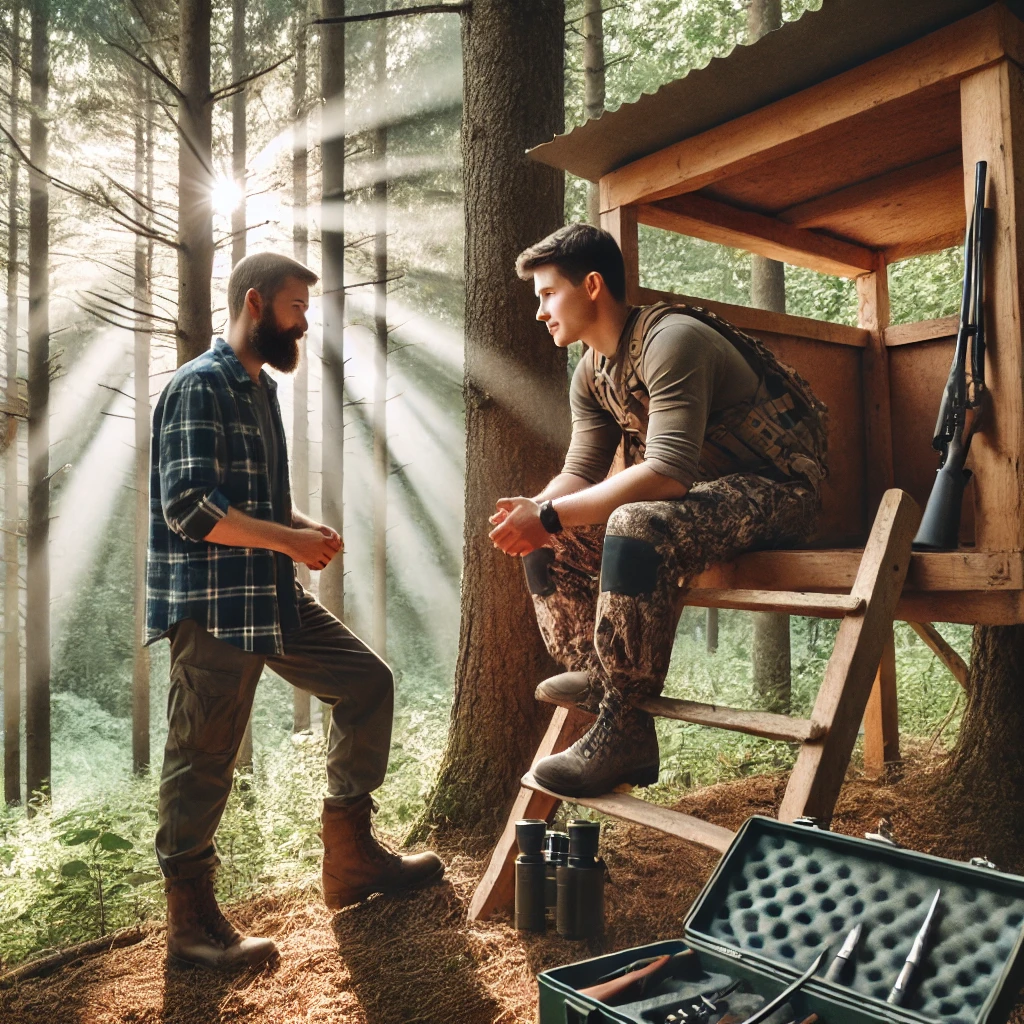
Effective maintenance support is a cornerstone of a successful hunting lease agreement. By offering assistance for repairs and mitigation of damage caused during hunting activities, landowners can foster a cooperative relationship with lessees while ensuring the property remains in excellent condition. This collaborative approach benefits both parties, ensuring sustainable use of the land and enhancing long-term satisfaction.
This guide explores the importance of maintenance support, actionable strategies for implementation, and the long-term advantages of fostering joint responsibility in property care.
Why Maintenance Support Matters
1. Preserves Property Value
Regular maintenance and timely repairs prevent minor issues from escalating into costly problems, protecting the long-term value of the property.
2. Enhances Lessee Satisfaction
Providing maintenance assistance shows lessees you value their experience, encouraging lease renewals and positive word-of-mouth recommendations.
3. Promotes Sustainability
Addressing damage promptly reduces environmental impact, ensuring the land remains viable for future use by both wildlife and hunters.
4. Fosters Trust and Collaboration
A supportive approach to maintenance builds goodwill and encourages lessees to take better care of the property, knowing they have a partner in managing repairs.
Common Maintenance Issues During Hunting Activities
1. Trail Damage
Frequent use of trails by ATVs, trucks, or foot traffic can lead to soil erosion, ruts, and vegetation loss.
2. Hunting Blind Repairs
Blinds and stands can sustain wear and tear from regular use or exposure to the elements, requiring periodic maintenance.
3. Fencing Damage
Property boundaries or wildlife exclusion zones may experience damage from hunting activities or wildlife movement.
4. Waste Management
Improper disposal of litter, spent shells, or other hunting-related debris can detract from the property’s condition and ecological health.
5. Habitat Disturbances
Excessive vehicle use or hunting in sensitive areas can disrupt wildlife habitats and require rehabilitation efforts.
How to Provide Maintenance Support
1. Include Maintenance Terms in Lease Agreements
Clearly define maintenance responsibilities in the lease to establish expectations for both parties.
Key Clauses to Include:
- Lessee obligations for reporting damage or issues.
- Procedures for repairing damage caused during the lease period.
- Shared responsibilities for costs, if applicable.
Example Clause:
“Lessees must report property damage within 48 hours of occurrence. Repairs will be coordinated with the landowner, with costs shared equally if caused by hunting activities.”
2. Conduct Regular Property Inspections
Frequent inspections help identify maintenance needs early and allow for proactive solutions.
Best Practices for Inspections:
- Schedule inspections at the start and end of each hunting season.
- Use a checklist to evaluate trails, blinds, fences, and other key areas.
- Document findings with photos and written reports for clarity.
3. Offer On-Call Maintenance Assistance
Provide lessees with access to maintenance support for urgent issues, such as a broken fence or unsafe hunting blind.
How to Implement On-Call Support:
- Establish a dedicated phone line or email for reporting maintenance requests.
- Partner with local contractors or repair services for quick response times.
- Set clear guidelines for which issues qualify as urgent and who covers the costs.
4. Educate Lessees on Best Practices
Empower lessees to minimize damage through training and guidelines.
Educational Topics to Cover:
- Proper use of trails to prevent erosion.
- Safe and ethical practices for handling waste.
- How to report and document damage effectively.
5. Provide Tools and Resources
Equip lessees with tools or resources to handle minor maintenance issues themselves.
Examples of Support:
- Supply basic repair kits for blinds or fences.
- Provide gravel or mulch for trail maintenance.
- Share guidelines for disposing of waste responsibly.
6. Implement a Cost-Sharing Model
For significant repairs, consider a cost-sharing approach that ensures fairness while addressing damage promptly.
Examples of Cost-Sharing Models:
- Split costs 50/50 for damage caused by lessee activities.
- Require lessees to cover costs for repairs resulting from negligence.
- Offer discounts on lease renewals in exchange for lessee-contributed labor.
Benefits of Providing Maintenance Support
- Improved Property Condition: Timely maintenance preserves the land’s usability and aesthetic appeal.
- Stronger Relationships: Collaborative maintenance fosters mutual respect and trust between landowners and lessees.
- Higher Retention Rates: Lessees who feel supported are more likely to renew leases and recommend the property to others.
- Enhanced Wildlife Habitats: Addressing issues like erosion and habitat disturbance benefits local wildlife populations.
Challenges and How to Address Them
1. Disputes Over Responsibility
Solution: Clearly define maintenance roles in the lease agreement and document inspections to avoid misunderstandings.
2. High Maintenance Costs
Solution: Budget for routine repairs and explore cost-sharing options with lessees.
3. Lack of Lessee Engagement
Solution: Encourage active participation by offering incentives, such as discounts or perks for lessees who contribute to maintenance efforts.
Case Study: Collaborative Maintenance in Action
A landowner in Georgia leased 300 acres for hunting activities. To maintain the property:
- They included a clause in the lease requiring lessees to report any damage within 24 hours.
- Provided a toolkit for minor repairs, such as fixing blinds and patching trails.
- Conducted seasonal inspections with lessees to address larger issues like erosion.
Result:
The collaborative approach improved the property’s condition, strengthened relationships with lessees, and led to a 95% lease renewal rate.
Conclusion
Providing maintenance support for lessees fosters a collaborative approach to property care, ensuring the land remains in excellent condition for both hunting and conservation purposes. By clearly defining roles, offering resources, and addressing issues proactively, landowners can build strong partnerships with lessees and protect their property’s value and ecological health.
Adopt these practices to create a mutually beneficial relationship that promotes trust, satisfaction, and long-term success.