
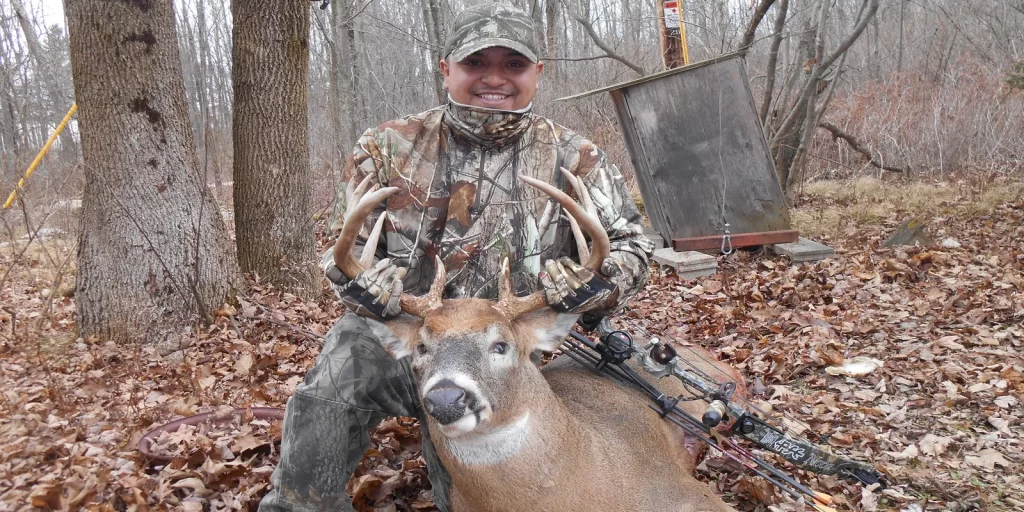
In the world of outdoor recreational hunting, conservation plays a critical role in ensuring wildlife sustainability for generations. One essential strategy in wildlife management is establishing sustainable harvest limits. These limits are set based on scientific data, habitat capacity, and conservation goals, helping prevent overexploitation and maintaining healthy ecosystems. Kavava, an online platform connecting landowners with outdoor enthusiasts, supports the vision of responsible hunting practices that foster long-term environmental health and community connection.
Understanding Sustainable Harvest Limits
Sustainable harvest limits refer to the regulated amount of wildlife that can be taken from a population each season without negatively impacting the overall species population or ecosystem. These limits are determined by wildlife managers who analyze scientific data, such as animal population trends, habitat capacity, and seasonal variations. By setting sustainable limits, we can ensure that species populations remain healthy and resilient, contributing to biodiversity and ecosystem stability.
Why Are Harvest Limits Important?
Harvest limits are essential because they:
1. Preserve Biodiversity: By controlling the number of animals hunted, we help maintain a balanced ecosystem where species interact naturally without human overexploitation.
2. Support Wildlife Populations: Limits prevent populations from falling below sustainable levels, ensuring future generations of wildlife.
3. Promote Ethical Hunting: For hunters and outdoor enthusiasts, sustainable harvest limits promote ethical practices, aligning hunting with conservation values.
Factors to Consider When Setting Sustainable Harvest Limits
1. Wildlife Population Data
Population data is foundational in determining sustainable harvest limits. Wildlife biologists conduct population surveys and use various tools, such as tagging and tracking, to estimate population sizes accurately. With a clear understanding of population dynamics, they can set limits that protect each species without causing stress to their numbers.
Example: For instance, if population data shows a decline in a species due to habitat loss, managers may reduce or even temporarily suspend hunting of that species. Conversely, when a species is overpopulated and potentially harming its habitat, harvest limits might be set higher.
2. Habitat Carrying Capacity
Habitat carrying capacity defines the maximum number of individuals a habitat can support sustainably. Factors like available food, water sources, and shelter determine this capacity. When setting harvest limits, managers consider whether the population size is near or exceeds the habitat’s carrying capacity.
Example: In cases where a population grows rapidly, like white-tailed deer in many regions, the habitat might struggle to support it, leading to overgrazing and ecological imbalance. Controlled hunting can help manage these populations to maintain habitat health.
3. Scientific Research and Data Collection
Science-driven decision-making in wildlife management is crucial. Scientific research provides insights into animal behavior, migration patterns, reproductive rates, and mortality rates, all of which inform harvest limits. Data gathered through field studies and technology, like GPS tracking, allows managers to make precise adjustments to limits annually.
Example: When scientific data reveals shifts in migration patterns due to climate change, wildlife managers might adjust harvest limits to protect vulnerable populations, ensuring they’re not overhunted in areas where they now congregate.
4. Conservation Goals
Conservation goals also shape sustainable harvest limits. Some species may require additional protections due to declining numbers, while others, considered invasive, may have less restrictive limits. Goals include preserving endangered species, supporting the growth of rare populations, and maintaining species that play vital roles in their ecosystems.
Example: If an endangered species is accidentally hunted due to similarity to another species, conservation goals might shift to protect both, adjusting harvest limits accordingly and educating hunters to prevent misidentification.
Practical Steps for Hunters and Landowners in Supporting Sustainable Harvest Limits
At Kavava, we believe the future of hunting lies in responsible practices that respect the environment. Here’s how hunters and landowners can contribute to sustainable harvest limits:
A. Participate in Local Conservation Programs
Hunters and landowners who stay informed on local conservation programs, attend community workshops, and engage with local wildlife organizations are better equipped to understand and support sustainable limits. Programs like habitat restoration initiatives or species recovery plans often need volunteer support and funding, making community involvement crucial.
B. Utilize Data-Driven Hunting Apps
Many modern hunting apps provide real-time data on animal populations, migration patterns, and hunting regulations. Platforms like Kavava empower hunters to make informed choices about where, when, and what to hunt, helping align individual actions with sustainable harvest practices.
C. Report Wildlife Sightings and Tagging
Reporting sightings, tagged animals, and population changes contributes valuable data to wildlife authorities. Hunters who actively provide these insights play a key role in helping biologists assess population health, habitat changes, and the impacts of environmental factors on wildlife.
The Role of Technology in Setting and Enforcing Harvest Limits
Innovative technologies, like Kavava’s platform, connect outdoor enthusiasts with landowners to promote ethical practices. Technology not only makes hunting more accessible but also ensures compliance with conservation goals by:
– Providing Instant Access to Regulations: Hunters using digital platforms can instantly view area-specific regulations, ensuring adherence to sustainable harvest limits and conservation guidelines.
– Monitoring Wildlife Activity: GPS and tracking tools give real-time data to hunters and landowners about wildlife movements, allowing for more mindful, data-driven decisions.
– Encouraging Feedback on Conservation Practices: Platforms that allow users to review experiences provide valuable feedback on conservation efforts. Kavava’s community-based approach encourages members to discuss conservation and sustainable practices openly, creating a culture of environmental responsibility.
Benefits of Sustainable Harvest Limits for Ecosystems and Communities
Establishing sustainable harvest limits fosters a balanced environment where both wildlife and human communities thrive. By maintaining healthy populations, harvest limits contribute to:
– Ecosystem Health: Each species plays a unique role in its ecosystem. Sustainable harvest limits ensure that no species is overexploited, allowing natural processes, like predation and plant pollination, to function without disruption.
– Community Well-Being: Healthy ecosystems support local economies that depend on outdoor recreation and hunting tourism. Landowners and guides benefit from a steady flow of responsible hunters, while visitors enjoy high-quality, ecologically sound hunting experiences.
– Increased Biodiversity: When species are protected from overexploitation, biodiversity flourishes. This diversity enhances resilience against climate change and supports the health of the entire ecosystem.
Conclusion
Setting sustainable harvest limits is more than a management tactic—it’s a commitment to responsible wildlife stewardship. At Kavava, we promote an inclusive, environmentally conscious approach to outdoor recreation, supporting landowners and hunters in making informed, conservation-minded decisions. By adhering to sustainable harvest limits, hunters and landowners contribute to a balanced ecosystem and a legacy of responsible outdoor enjoyment. Through collaboration, innovation, and respect for nature, we can foster a community that safeguards the wilderness for future generations.