
Listen and Adapt: How to Build Strong Relationships with Hunters
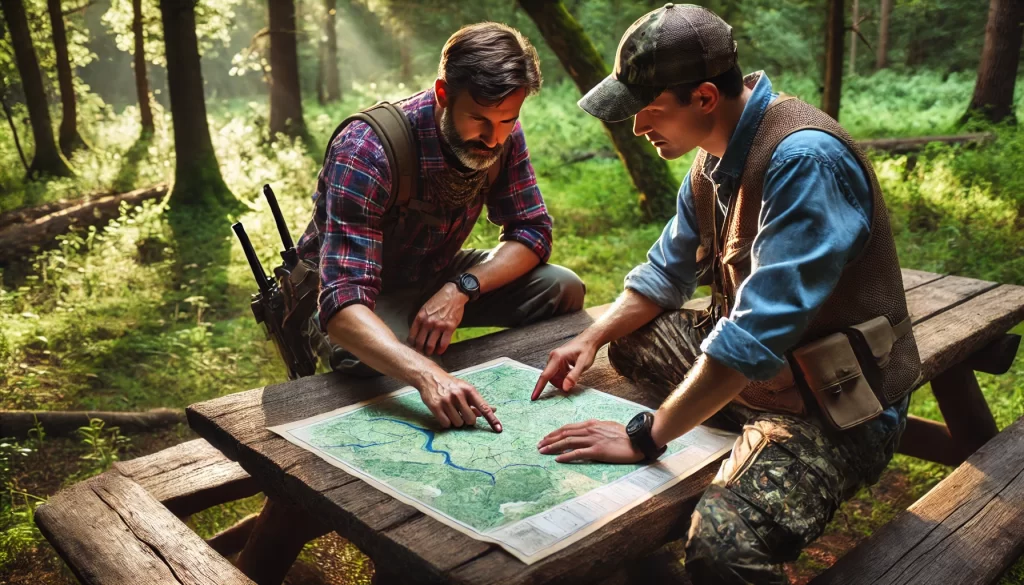
Successful hunting leases are built on more than just land and game; they thrive on trust, communication, and a commitment to meeting the needs of your hunters. By actively listening to feedback and adapting your lease agreements, services, and property management practices, you can foster strong relationships, retain satisfied hunters, and ensure the long-term success […]
Maintain Property Safety: Ensuring Safe Hunting Infrastructure

As a landowner, providing a safe environment for hunters and visitors is one of your primary responsibilities. Proper maintenance of hunting infrastructure, such as blinds, tree stands, and trails, not only prevents accidents but also enhances the overall experience for users. Regular inspections and upkeep ensure that your property remains safe, functional, and compliant with […]
Document Conservation Success: Showcase Achievements in Biodiversity and Habitat Quality

Documenting conservation success is a vital part of sustainable land management. Not only does it provide proof of your efforts, but it also inspires others, attracts funding opportunities, and strengthens your credibility as a conservation-minded landowner. By recording achievements and their positive impacts on biodiversity, habitat quality, and wildlife populations, you can celebrate progress and […]
Negotiate Fairly: A Guide to Transparent and Fair Hunting Lease Agreements

Negotiating a hunting lease can be a rewarding process for landowners, providing income while supporting land management goals. However, achieving a fair agreement requires transparency, a clear understanding of your property’s value, and consideration of market factors. This guide will help you negotiate lease terms and pricing that are fair to both you and potential […]
Monitor Wildlife Populations: A Guide for Landowners

As a landowner, understanding the balance between wildlife populations, habitat health, and hunting activities is essential for responsible land stewardship. Monitoring these factors not only helps you comply with conservation regulations but also ensures sustainable management of your property. By gathering and analyzing data, you can adapt your practices to support thriving ecosystems and long-term […]
Enforce Safety Practices: Protecting Landowners and Wildlife

As a landowner, maintaining safety on your property is crucial—not only to protect people and wildlife but also to prevent costly damage or legal liability. By enforcing essential safety practices, such as proper firearm handling, tree stand safety, and wildlife management protocols, you can create a secure environment for all who use your land. This […]
Monitor Wildlife Populations: How Landowners Can Implement Effective Wildlife Monitoring Programs
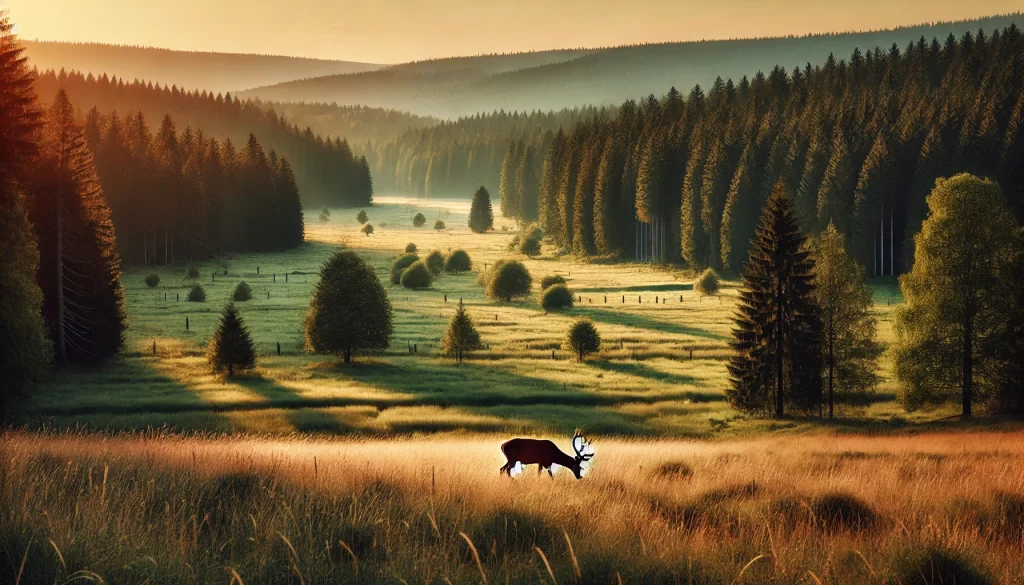
As a landowner, you play a critical role in conserving wildlife and maintaining ecological balance on your property. Whether you manage a large estate, farmland, or a smaller plot of wilderness, implementing wildlife monitoring programs can provide essential insights into the health of local ecosystems. This article explores the importance of monitoring wildlife populations, outlines […]
Negotiate Fairly: Achieving Mutually Beneficial Hunting Lease Agreements

Fair and transparent negotiation is the cornerstone of successful hunting lease management. When landowners and lessees collaborate to establish clear terms, reasonable pricing, and flexible arrangements, both parties benefit. A well-negotiated lease not only ensures financial stability for the landowner but also fosters trust and satisfaction among lessees, encouraging long-term relationships. This guide covers strategies […]
Limit Access to High-Risk Areas: Ensuring Safety and Environmental Protection

Restricting access to high-risk areas on your property is a crucial strategy for managing liability risks, protecting sensitive habitats, and maintaining a safe environment for lessees. By identifying hazardous zones or environmentally fragile locations, landowners can create clear boundaries and rules that balance property use with safety and conservation goals. This guide covers the importance […]
Invest in Long-Term Conservation: Preserving Land and Wildlife for Future Generations

Investing in long-term conservation is essential for maintaining the natural beauty, wildlife habitats, and ecological balance of your land. By prioritizing habitat restoration and sustainable land management practices, landowners can ensure that their property remains a thriving ecosystem for future generations while supporting hunting, recreation, and other land uses. This guide explores the benefits of […]