
Enforce Safety Practices: Protecting Landowners and Wildlife

As a landowner, maintaining safety on your property is crucial—not only to protect people and wildlife but also to prevent costly damage or legal liability. By enforcing essential safety practices, such as proper firearm handling, tree stand safety, and wildlife management protocols, you can create a secure environment for all who use your land. This […]
Monitor Wildlife Populations: How Landowners Can Implement Effective Wildlife Monitoring Programs

As a landowner, you play a critical role in conserving wildlife and maintaining ecological balance on your property. Whether you manage a large estate, farmland, or a smaller plot of wilderness, implementing wildlife monitoring programs can provide essential insights into the health of local ecosystems. This article explores the importance of monitoring wildlife populations, outlines […]
Negotiate Fairly: Achieving Mutually Beneficial Hunting Lease Agreements

Fair and transparent negotiation is the cornerstone of successful hunting lease management. When landowners and lessees collaborate to establish clear terms, reasonable pricing, and flexible arrangements, both parties benefit. A well-negotiated lease not only ensures financial stability for the landowner but also fosters trust and satisfaction among lessees, encouraging long-term relationships. This guide covers strategies […]
Limit Access to High-Risk Areas: Ensuring Safety and Environmental Protection

Restricting access to high-risk areas on your property is a crucial strategy for managing liability risks, protecting sensitive habitats, and maintaining a safe environment for lessees. By identifying hazardous zones or environmentally fragile locations, landowners can create clear boundaries and rules that balance property use with safety and conservation goals. This guide covers the importance […]
Invest in Long-Term Conservation: Preserving Land and Wildlife for Future Generations

Investing in long-term conservation is essential for maintaining the natural beauty, wildlife habitats, and ecological balance of your land. By prioritizing habitat restoration and sustainable land management practices, landowners can ensure that their property remains a thriving ecosystem for future generations while supporting hunting, recreation, and other land uses. This guide explores the benefits of […]
Provide Emergency Contacts: Ensuring Safety and Preparedness for Hunters
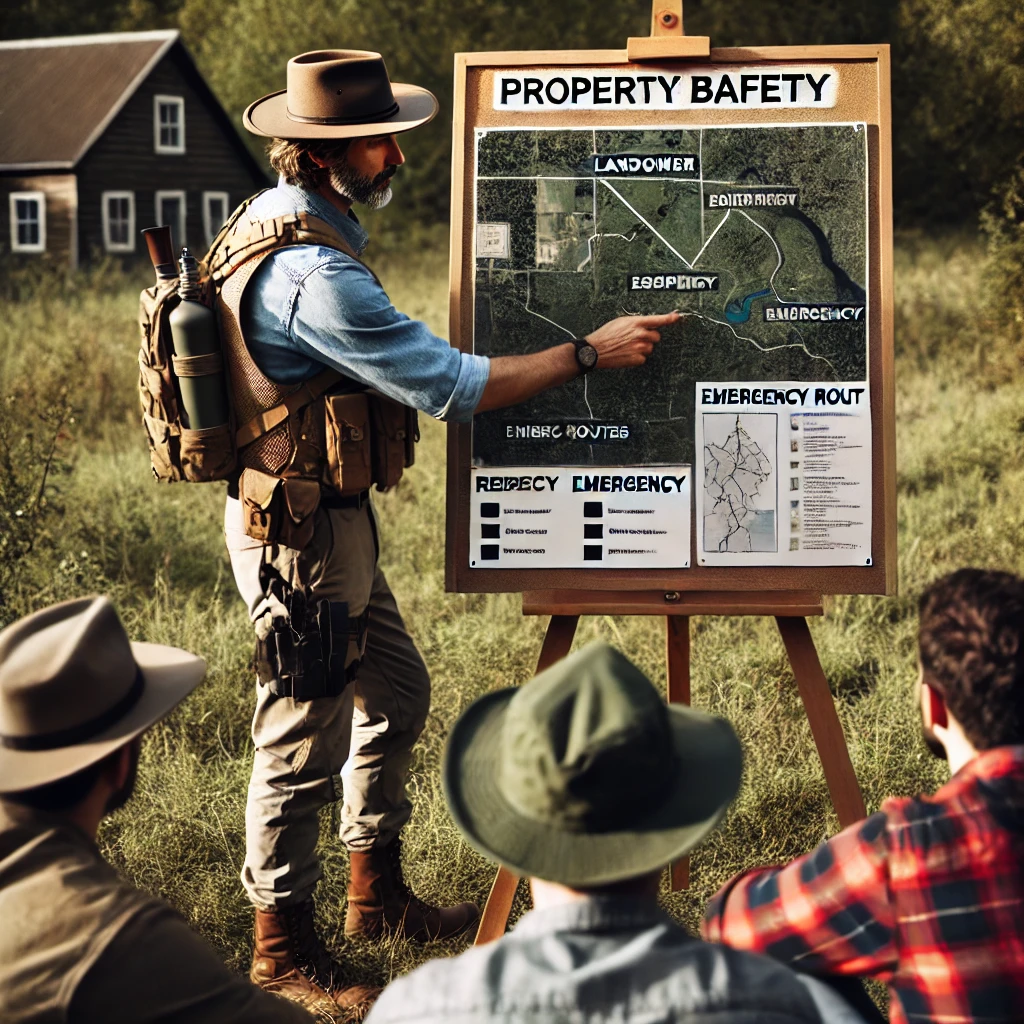
Providing lessees with clear and accessible emergency contact information is a critical aspect of responsible hunting lease management. Having a well-prepared plan in place ensures lessees can respond effectively to accidents or emergencies, protecting both people and wildlife while maintaining your property’s reputation for safety and professionalism. This guide covers the importance of emergency preparedness, […]
Monitor Property Use: Ensuring Compliance, Safety, and Proper Land Management

Monitoring hunting activities on your property is essential to maintaining compliance with rules, safety guidelines, and property use regulations. Proactively observing lessee behavior helps protect your land, wildlife, and reputation while fostering a positive relationship with lessees. Addressing concerns or violations promptly and professionally ensures a safe and enjoyable experience for everyone involved. This guide […]
Implement Timely Harvesting: Optimizing Land Use to Support Wildlife and Reduce Damage

Timely harvesting activities—such as crop harvesting, timber thinning, or other land management practices—play a critical role in minimizing wildlife attraction, protecting habitats, and reducing potential damage during sensitive periods. By scheduling these activities strategically, landowners can balance operational needs with ecological sustainability, ensuring the long-term health of the land and its wildlife populations. This guide […]
Educate Hunters: Promoting Ecological Conservation and Sustainable Land Use
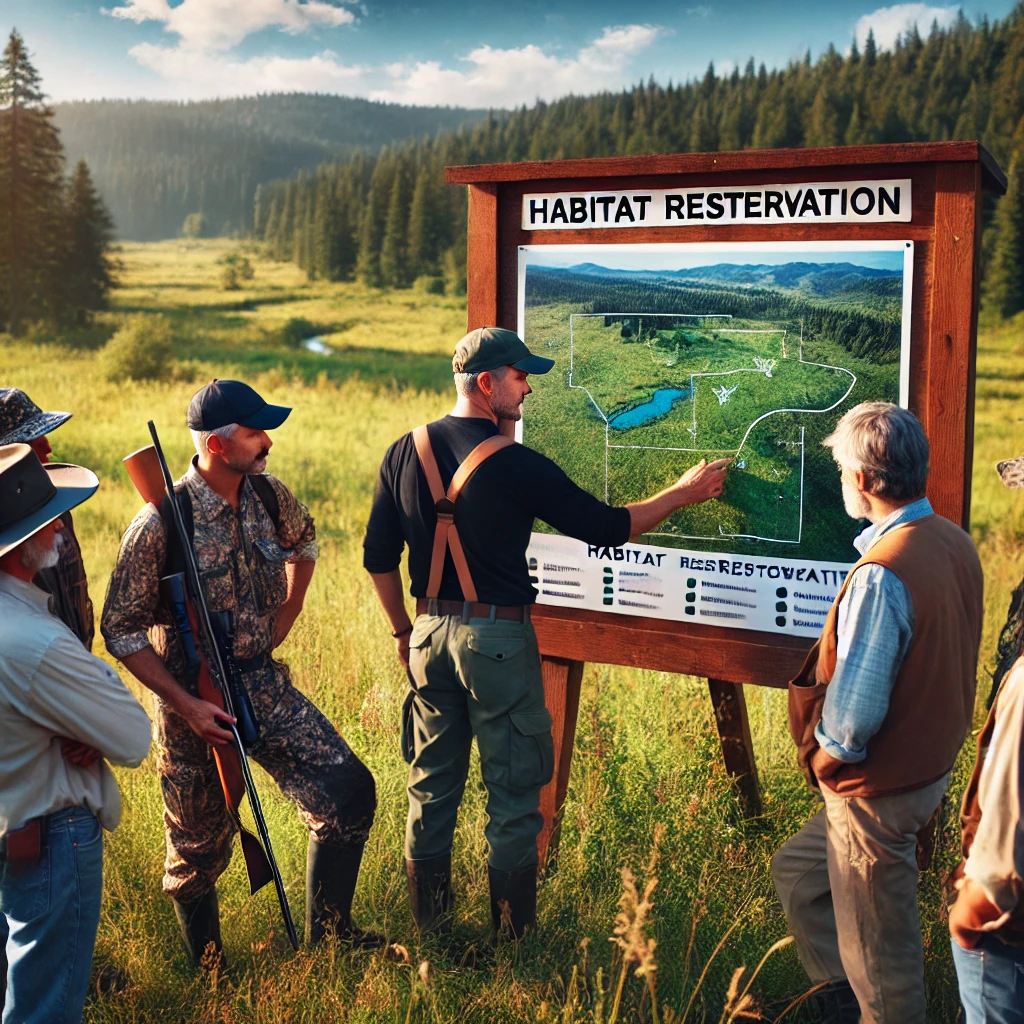
Educating your hunting lessees about ecological conservation, wildlife stewardship, and sustainable land use practices is key to fostering a positive and responsible hunting culture. Providing educational resources and opportunities ensures that lessees understand their role in preserving the environment, protecting wildlife, and maintaining the health of your property for future generations. This guide explores the […]
Screen Potential Hunters: Ensuring Trustworthy and Responsible Hunting Lease Partnerships

Screening potential lessees is a critical step in managing a successful hunting lease. Conducting thorough background checks, obtaining references, and vetting applicants ensures that your lessees have the hunting experience, ethical standards, and financial reliability to meet your expectations. A rigorous screening process helps protect your property, fosters positive relationships, and creates a safe and […]